Cavalleria Rusticana - Pagliacci
Opera
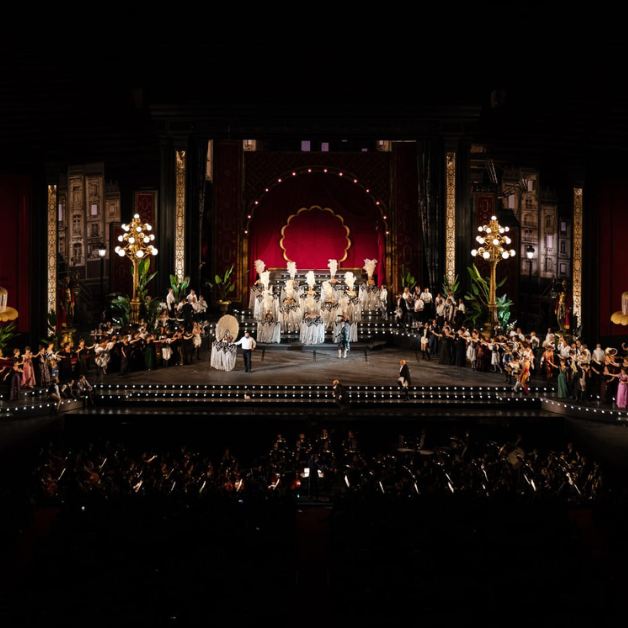
Opera in 1 act - Italian opera in a prologue and two acts by Pietro Mascagni - Ruggero Leoncavallo
Trama Roberto Mori CAVALLERIA RUSTICANA - OPERA IN ONE ACT
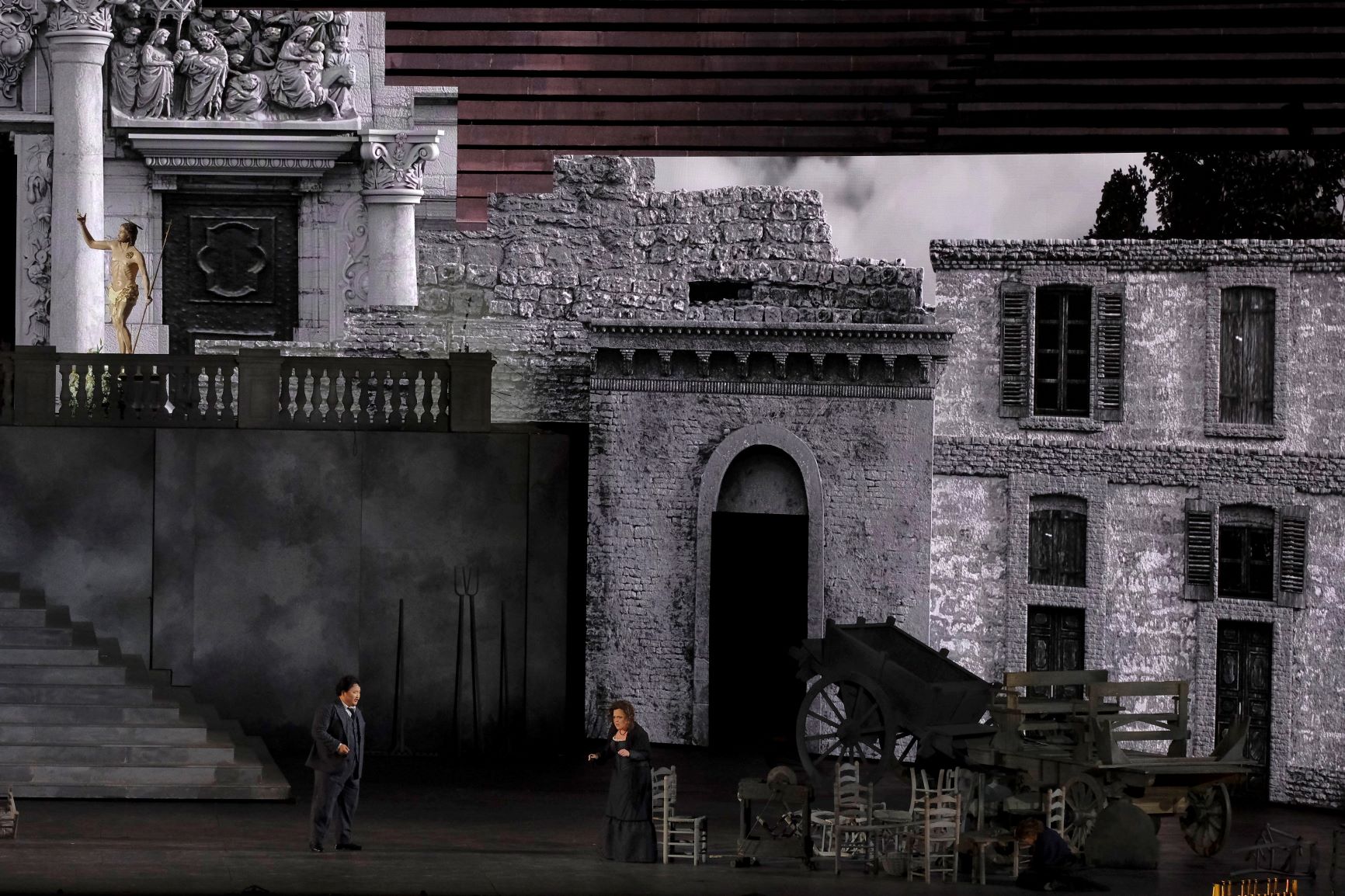
In a small Sicilian town, while it is still night, Turiddu serenades Lola, an attractive girl with whom he had fallen madly in love before leaving for his military service. However, while he was away, she married Alfio, a well-to-do carter. To console himself, Turiddu courted and seduced Santuzza, but very soon began to neglect her and treat her coldly. In fact, the young man has not managed to forget his old flame, with whom he is once more having an affair.
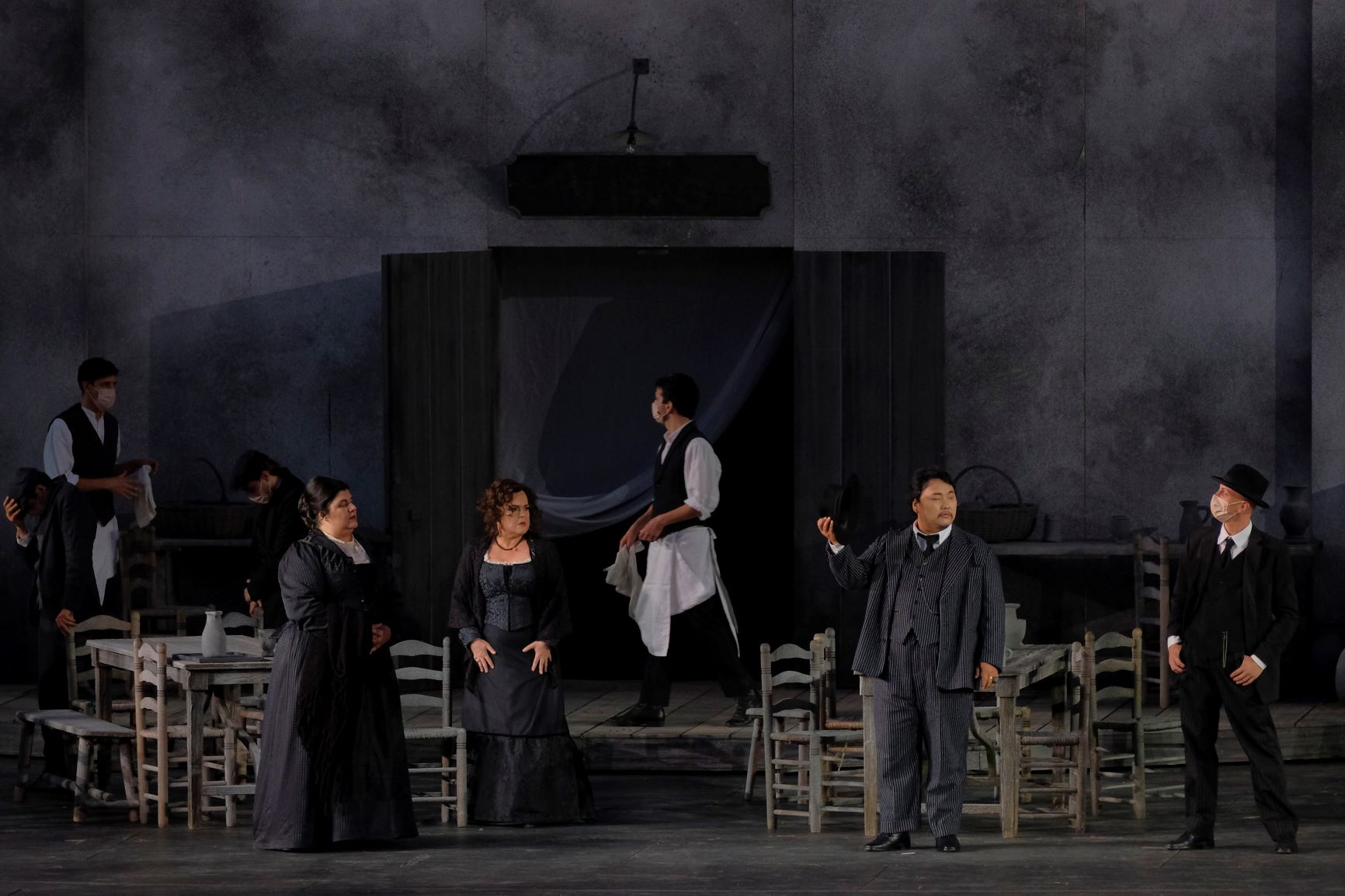
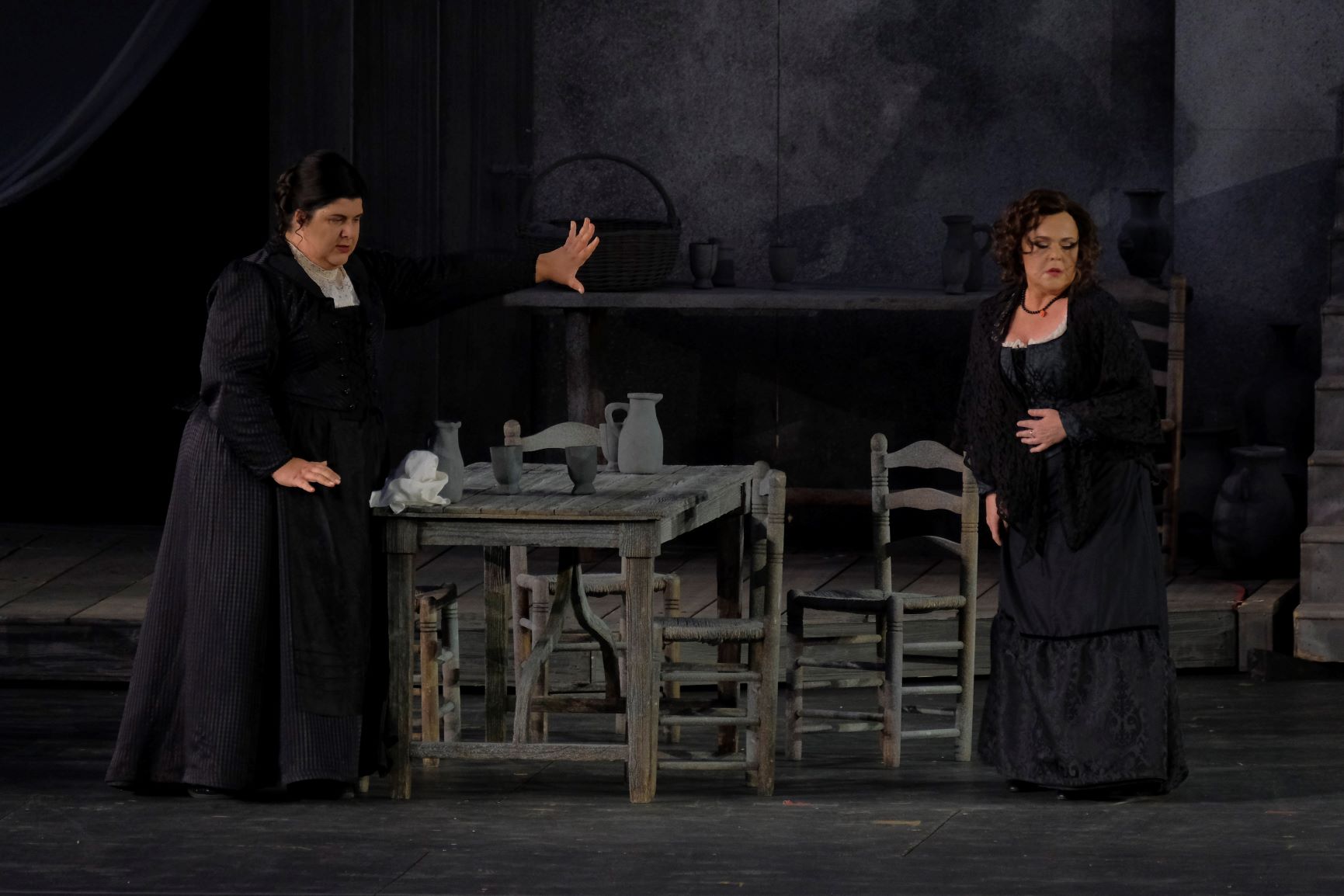
The next morning the townsfolk arrive in the square. It is Easter and the church bells ring out. Santuzza goes to the tavern of Turiddu’s mother Lucia, to ask for news of her fiancé. The woman replies, saying he has gone to Francofonte to buy wine, but Santuzza knows this is not the truth: he was seen in town during the night.
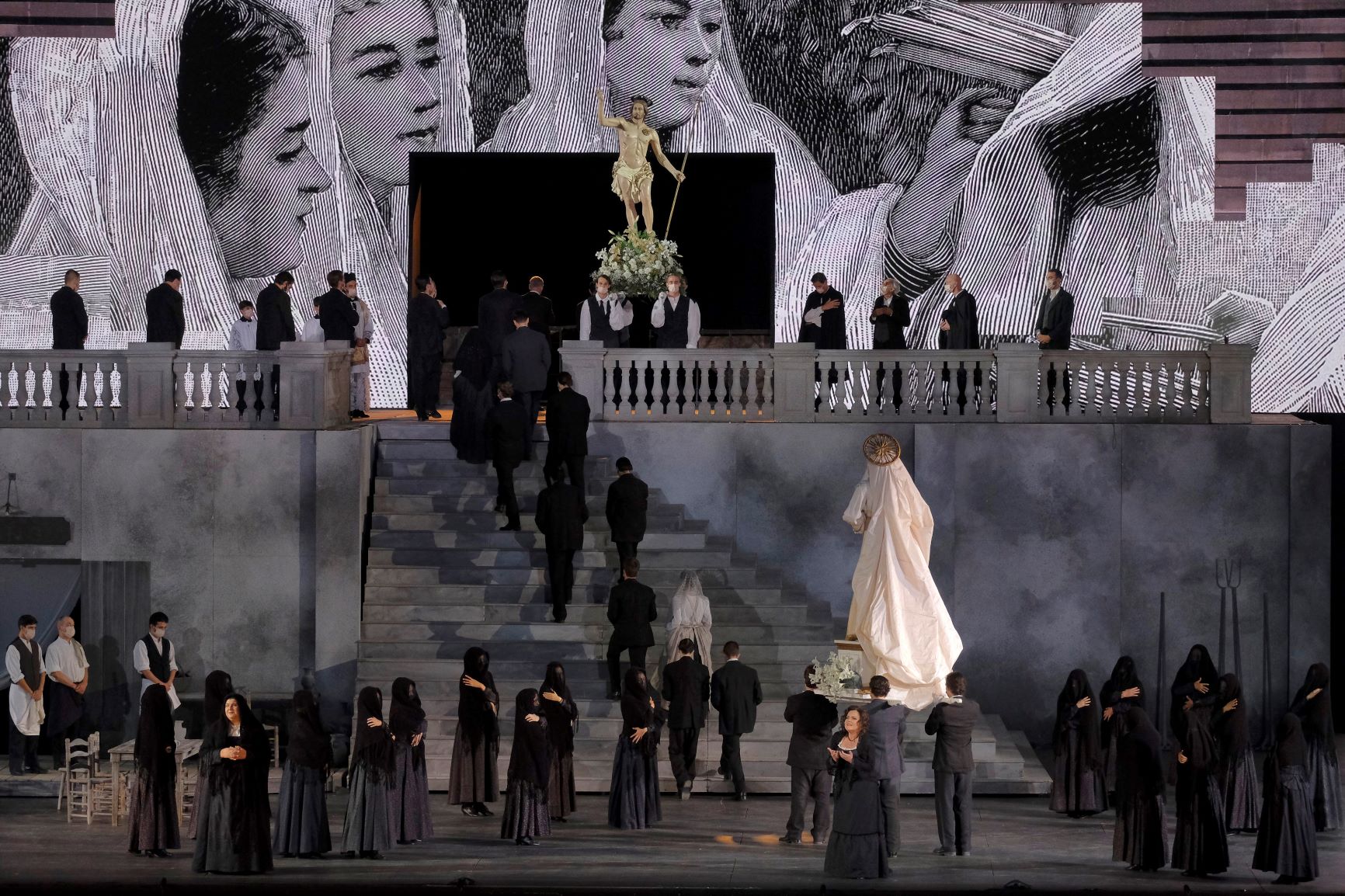
The conversation is interrupted by Alfio, back from work. He is in a good mood, singing the praises of a carter’s free roaming life; he then asks for some wine and he too confirms that he saw Turiddu in town, very near his house. Lucia would like to know more, but Santuzza motions her to say nothing. Alfio leaves, while the parishioners sing a Resurrection hymn in front of the church before attending mass. The two are left alone and Santuzza finally tells Lucia everything, giving vent to the desperation of a dishonoured betrayed woman. The elder woman, shocked, goes off towards the church.
Turiddu arrives immediately after. Santuzza confronts him, pleading for an explanation. He does not want to listen to her, replying to her insistent questions firstly in an evasive manner and then arrogantly. He denies that he is in love with Lola and shows that he is irritated, almost offended, by all her jealousy. The quarrel is interrupted by Lola, who approaches in a provocative manner, singing a stornello, and has the insolence to ask her lover if by chance he has seen her husband; she then turns to Santuzza with an ironic tone, but the hostile reaction of her rival convinces her to leave to go to mass.
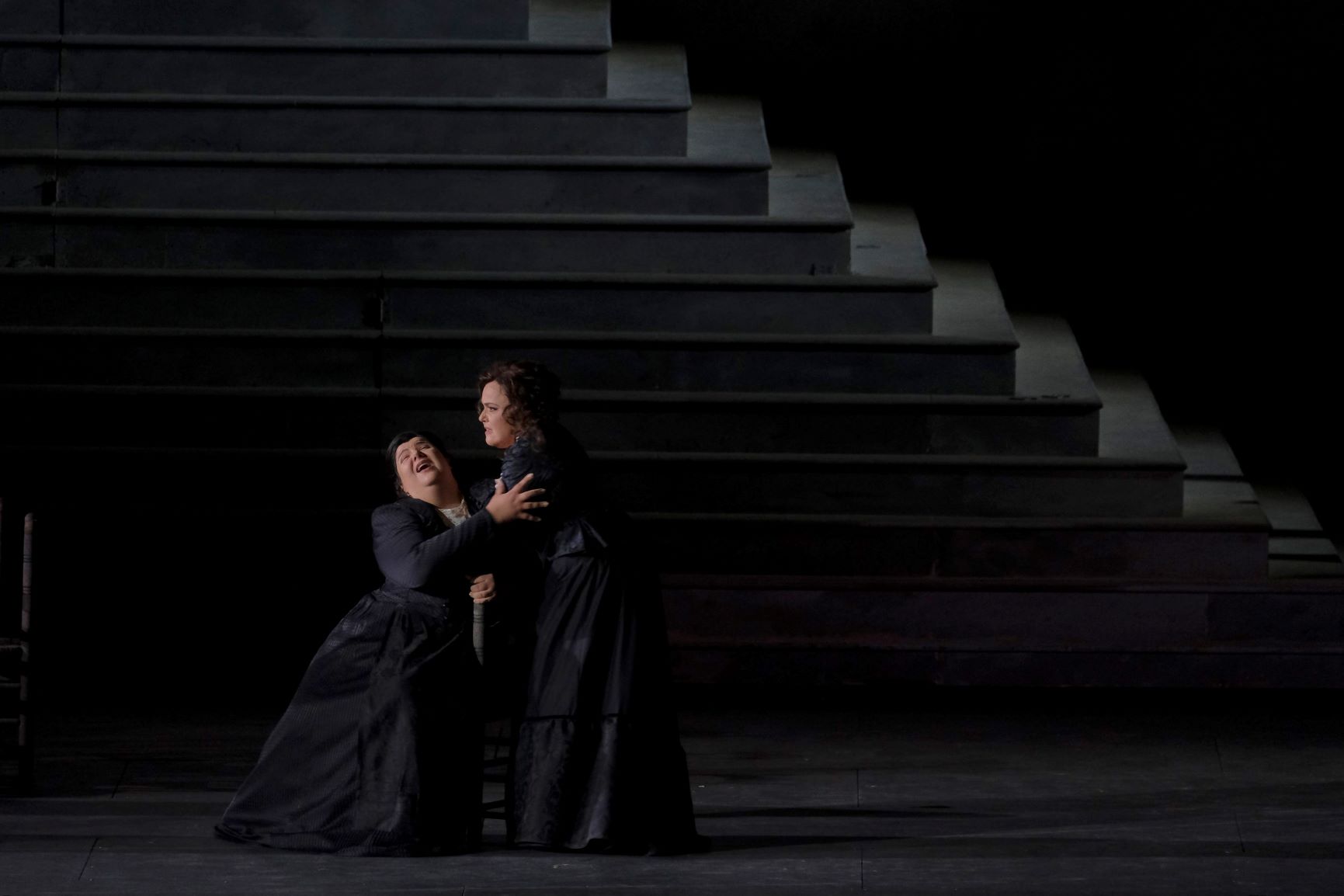
The dispute starts again with increasingly dramatic tension: Santuzza beseeches Turiddu not to abandon her but, irritated, he repulses her and, after having flinging her to the ground, runs into the church. Furious for this humiliation, the young woman damns him, wishing him a “bad Easter”.
Alfio arrives and Santuzza, driven by her anger and a desire for revenge, discloses the affair that Turiddu has with his wife: the couple meets in his house while he’s at work. Initially, the man is incredulous and threatens to kill her if she is lying. Then he becomes convinced. Santuzza immediately regrets what she has done and would like to retrace her steps, but it’s too late. Alfio swears revenge.
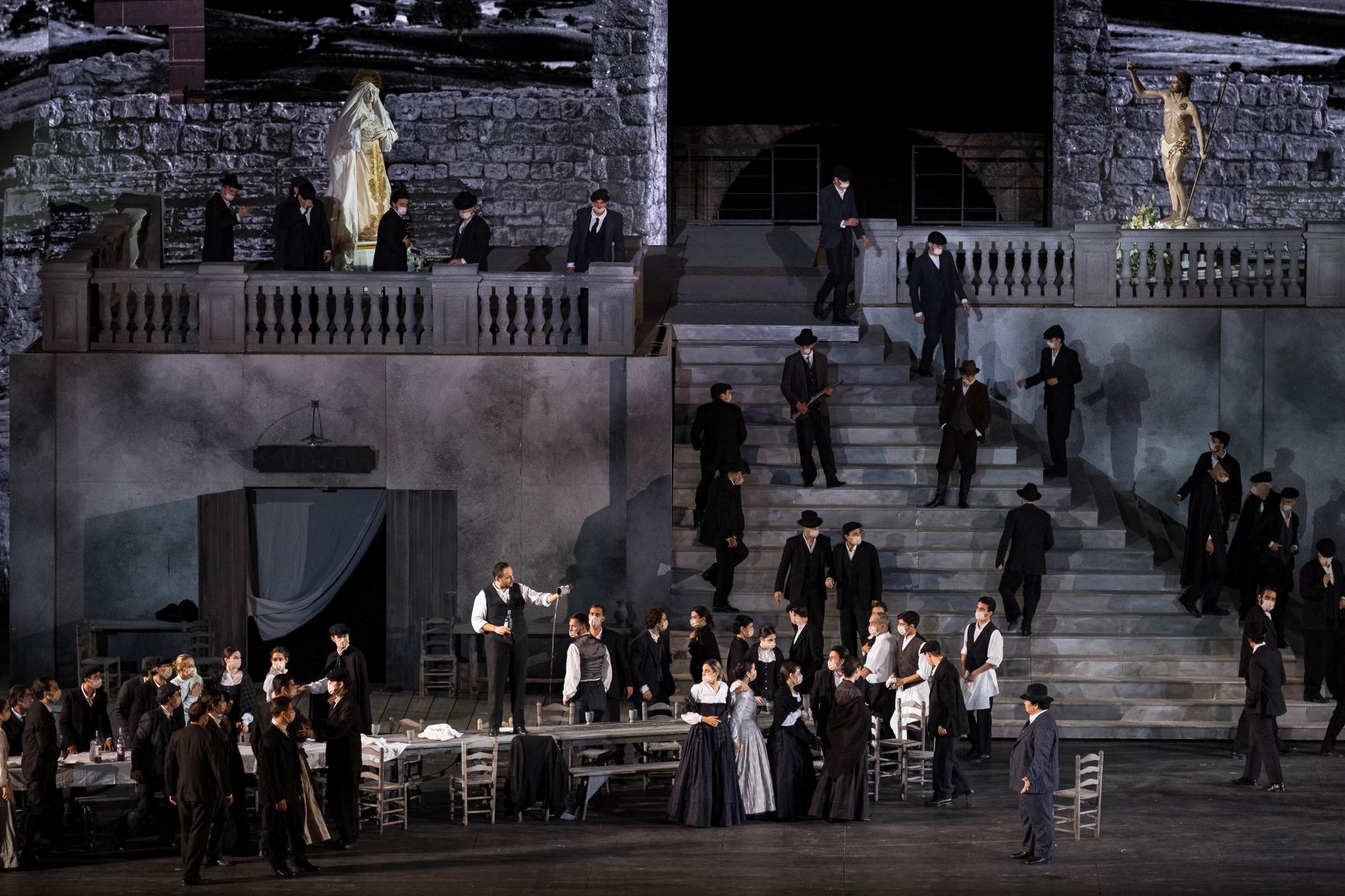
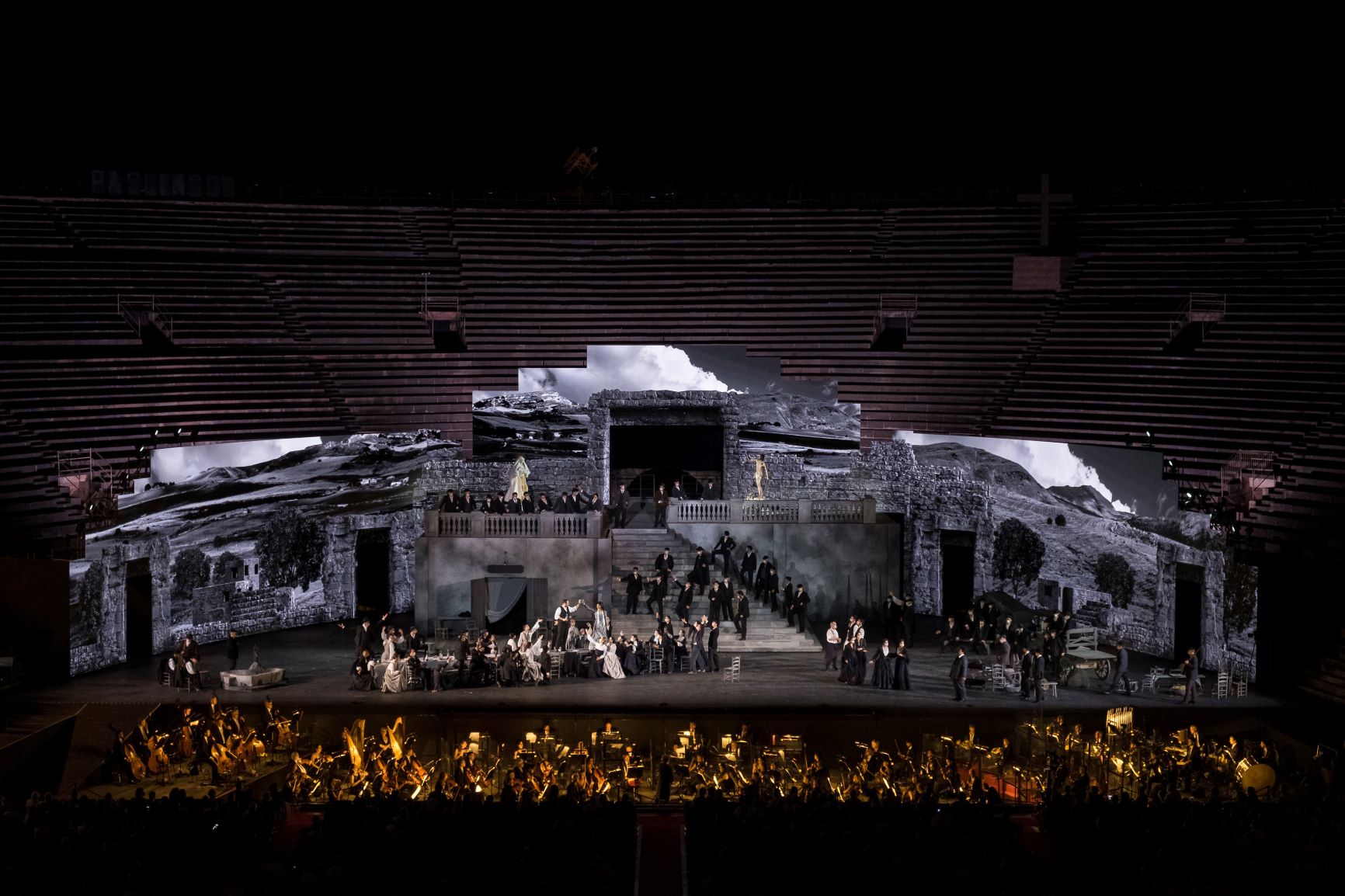
After mass, the congregation leaves the church, and a group of men stop at the tavern. Turiddu invites his friends for a toast and, amidst the merriment, Alfio arrives and, with a grim face, coldly refuses the invitation to drink. Immediately understanding the situation, Turiddu pours the wine on to the floor, chilling the onlookers. While the frightened women draw back, the rivals embrace and, following the rural code of honour, Turiddu bites Alfio’s right ear, challenging him to a duel. He then admits to being in the wrong and to deserve to die, but he will not let himself be killed as he has obligations regarding Santuzza. Impassive, Alfio sets their appointment behind the orchard.
Before following his rival, Turiddu says goodbye to his mother. He asks her to bless him, as she did when he left for his military service, and to take care of Santuzza if he doesn’t return. Lucia doesn’t understand the reason for these phrases, but the boy gives no explanation, just kisses her repeatedly and runs off. Santuzza arrives and embraces Lucia, who tries to follow her son. A few moments later, an indistinct murmuring is heard, broken by a scream of horror: “Turiddu has been killed!”
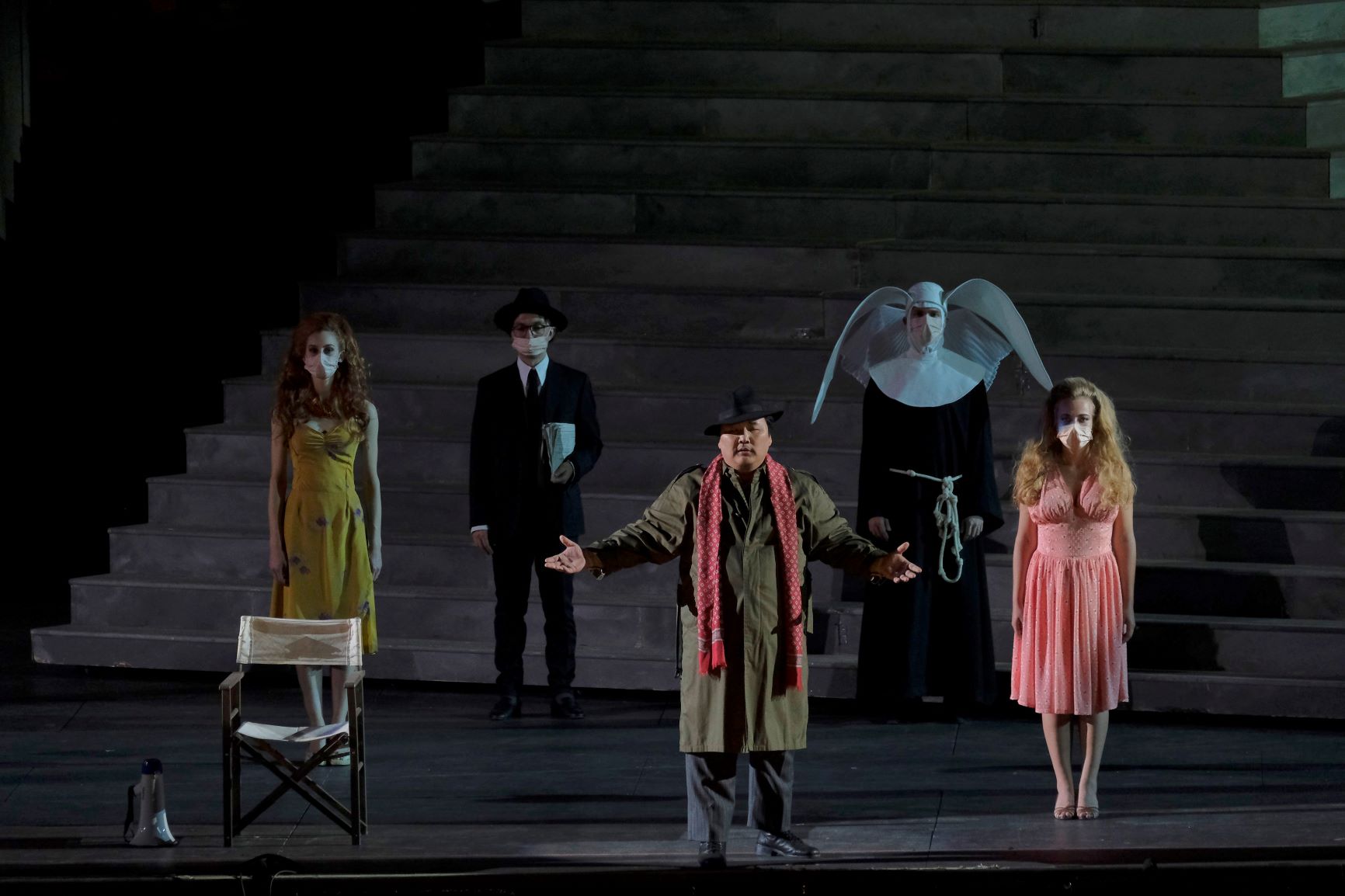
In front of the curtain, Tonio, the buffo with a travelling theatre troupe, appears on stage. In the costume he will wear in Act 2, he introduces himself as the composer’s spokesman. He explains that the opera’s composer based the show on a true story and offers an insight on life. Actors are also real people: behind their masks there are true passions and suffering.
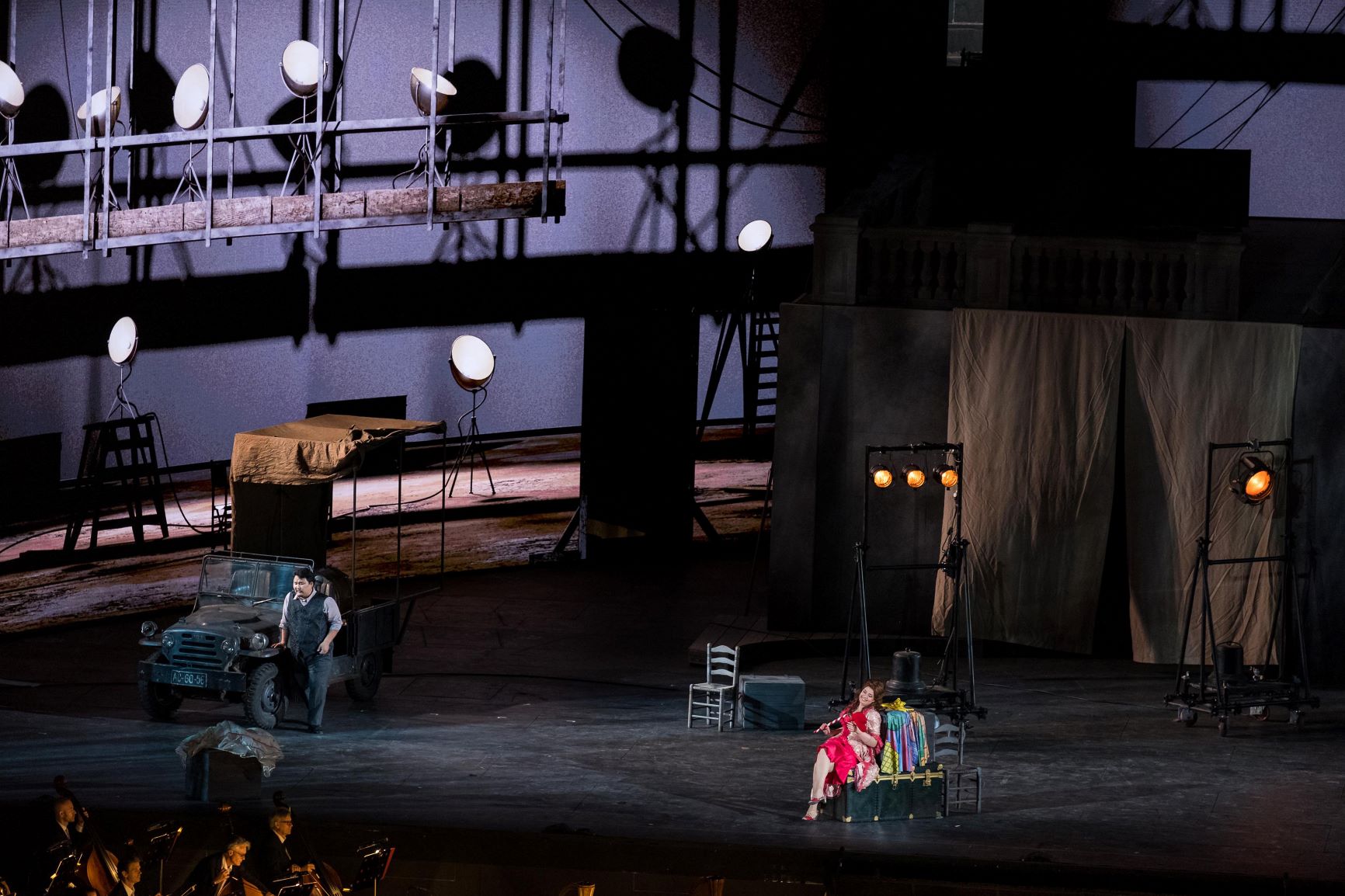
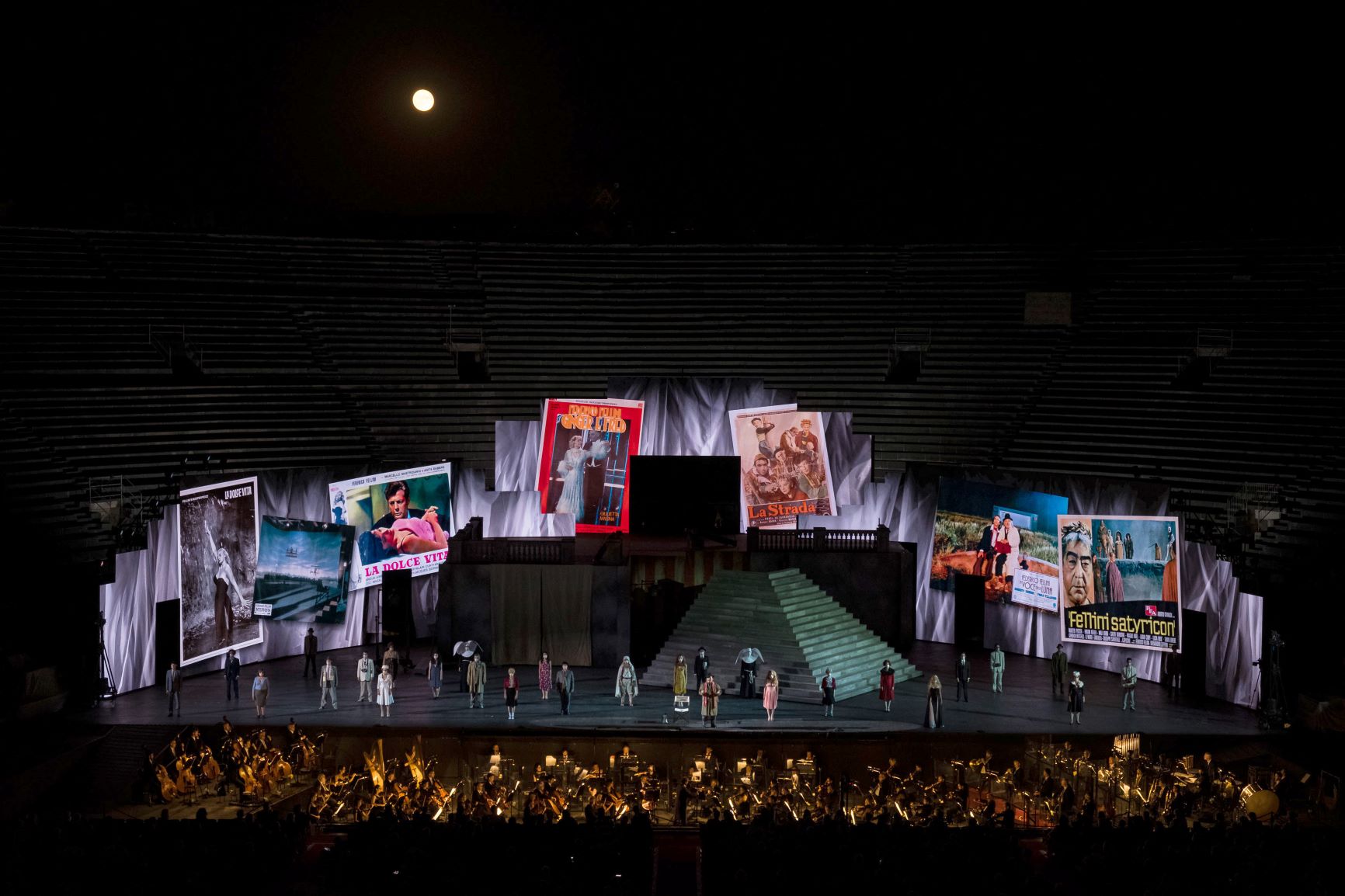
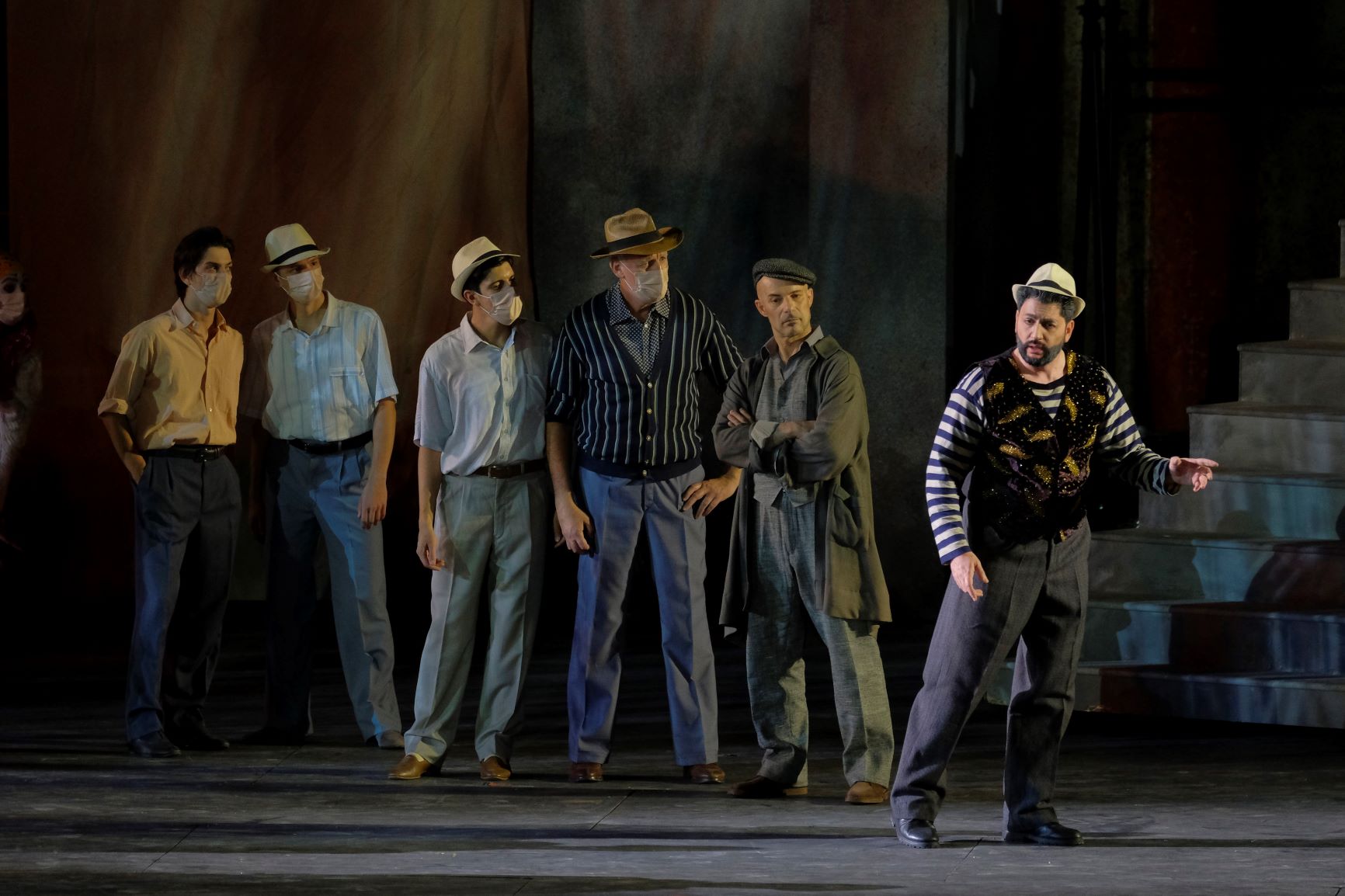
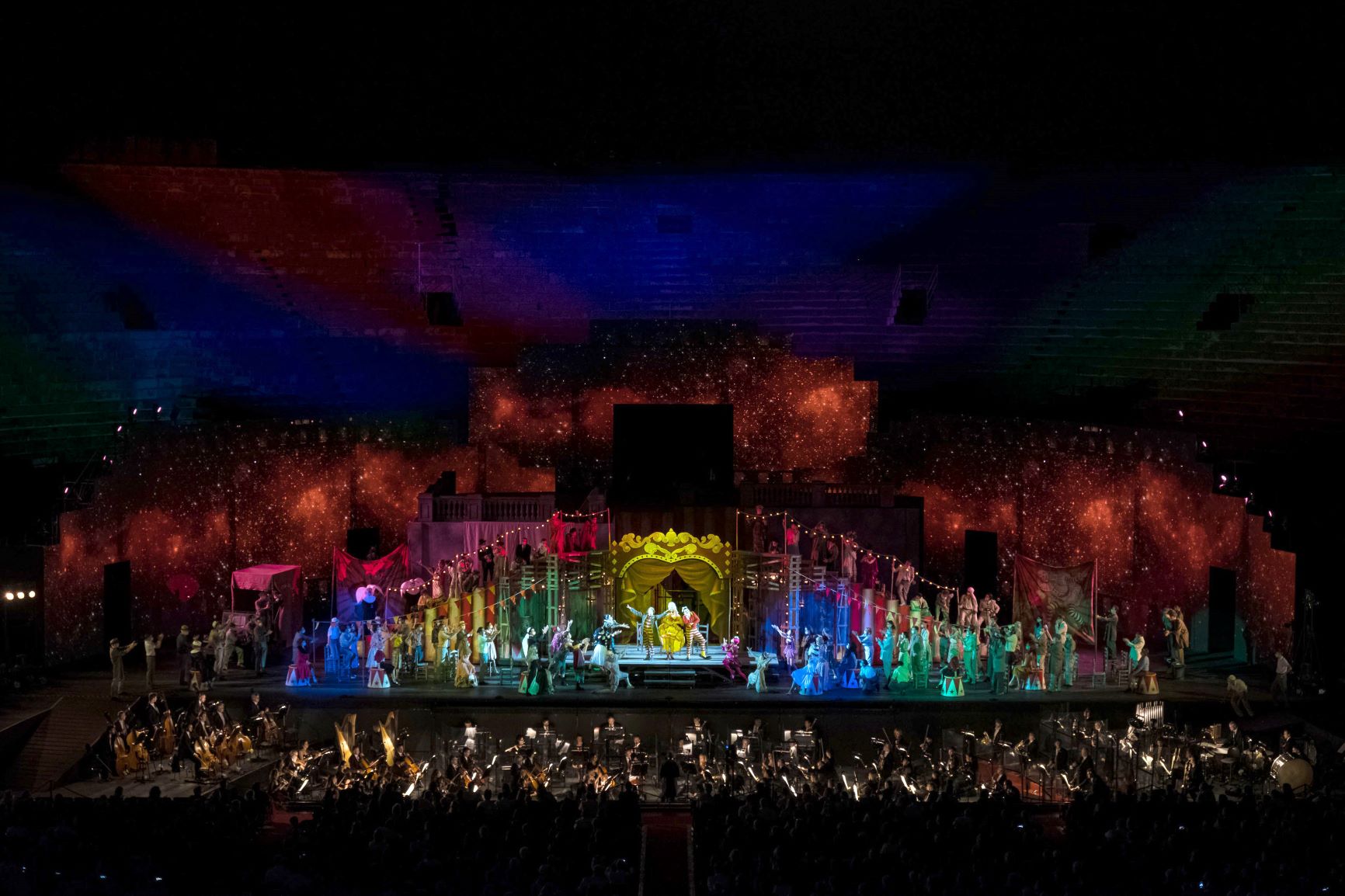
With a blaring trumpet and banging drum, a caravan of actors arrives in a small village in Calabria. It is three o’clock in the afternoon. Canio, the troupe’s leader, announces to the country folk and a group of curious children that the performance is scheduled for eleven o’clock that evening. Tonio, the company’s hunchback factotum, tries to help Canio’s young wife Nedda to get down from the caravan, but her jealous husband, sends him away, cuffing him. To a countryman who ironically comments on Tonio’s interest for Nedda, Canio replies in a threatening manner that theatre and life are not the same thing: if he was to find his wife with another man, he wouldn’t show the same light-heartedness with which Pagliaccio, the character he plays, reacts to Colombina’s betrayal. He then goes off to the tavern with Peppe, one of the troupe’s actors.
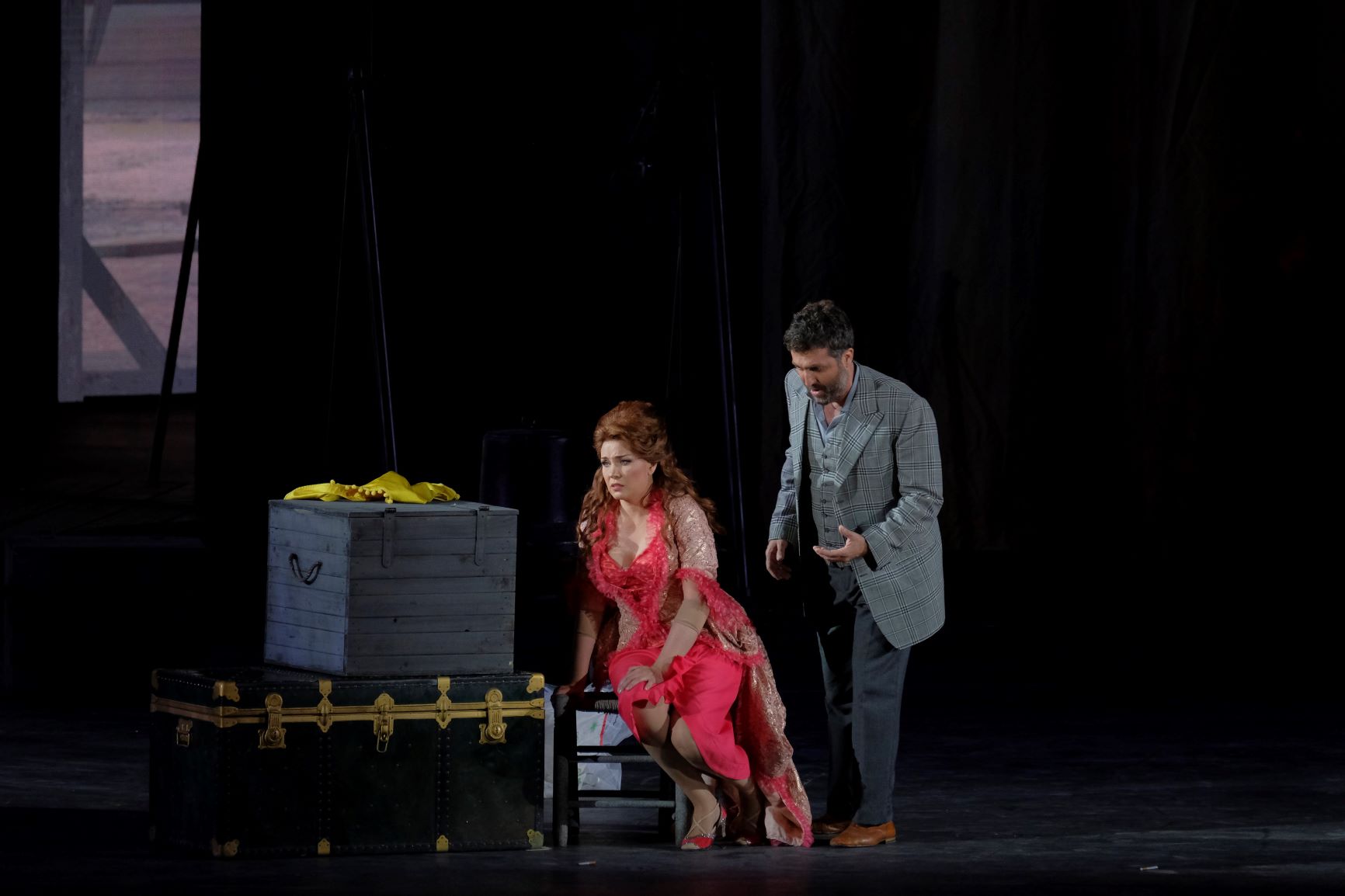
Left alone, Nedda is upset by Canio’s reaction: he took her under his wing when she was a young girl, but now she’s tired of the vagrant life and has fallen in love with Silvio, a young man from the village. She then relaxes in the August sun and admires the birds flying freely. When she is about to go back into the caravan, she realizes Tonio is spying on her: the player awkwardly confesses his love for her and tries to kiss her. Annoyed, Nedda drives him off scornfully, hitting him in the face with a whip. Tonio leaves, swearing to take revenge.
Silvio arrives and tries to convince Nedda to leave her husband. The girl begs him to be patient and not tempt her, but when Silvio accuses her of not loving him, she agrees to elope with him that very night. Unseen, Tonio hears their conversation and, to revenge himself, runs to warn Canio, who arrives shortly after, surprising the two lovers. However Silvio manages to disappear without being recognized.
A furious argument breaks out. Canio threatens Nedda with a knife, ordering her to tell him her lover’s name, but Peppe disarms him and tells him to calm down: the show’s about to begin. Tonio also advises him to control his anger: her lover will probably turn up at the show. Desperate and broken-hearted, Canio can only put on his Pagliaccio makeup and costume.
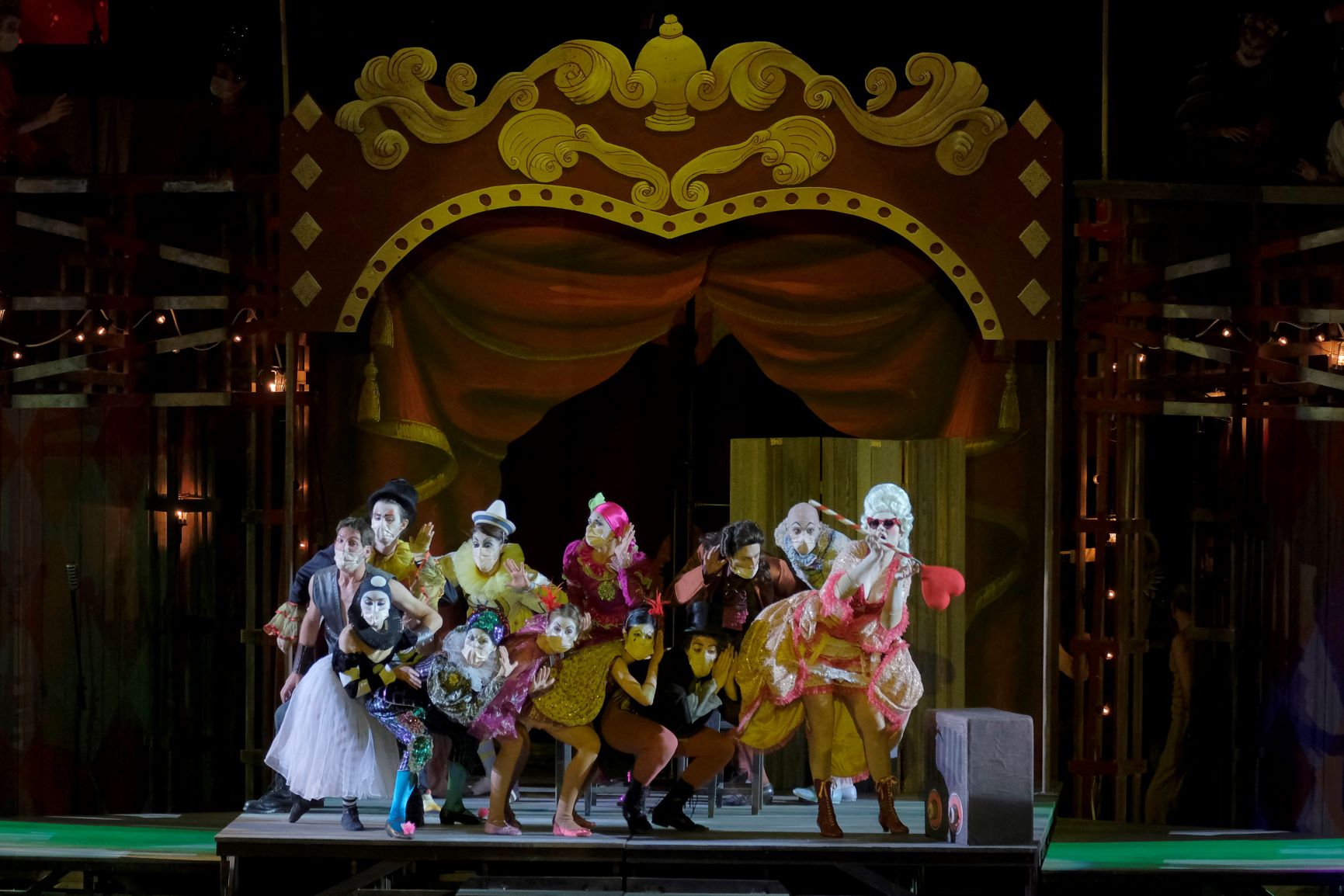
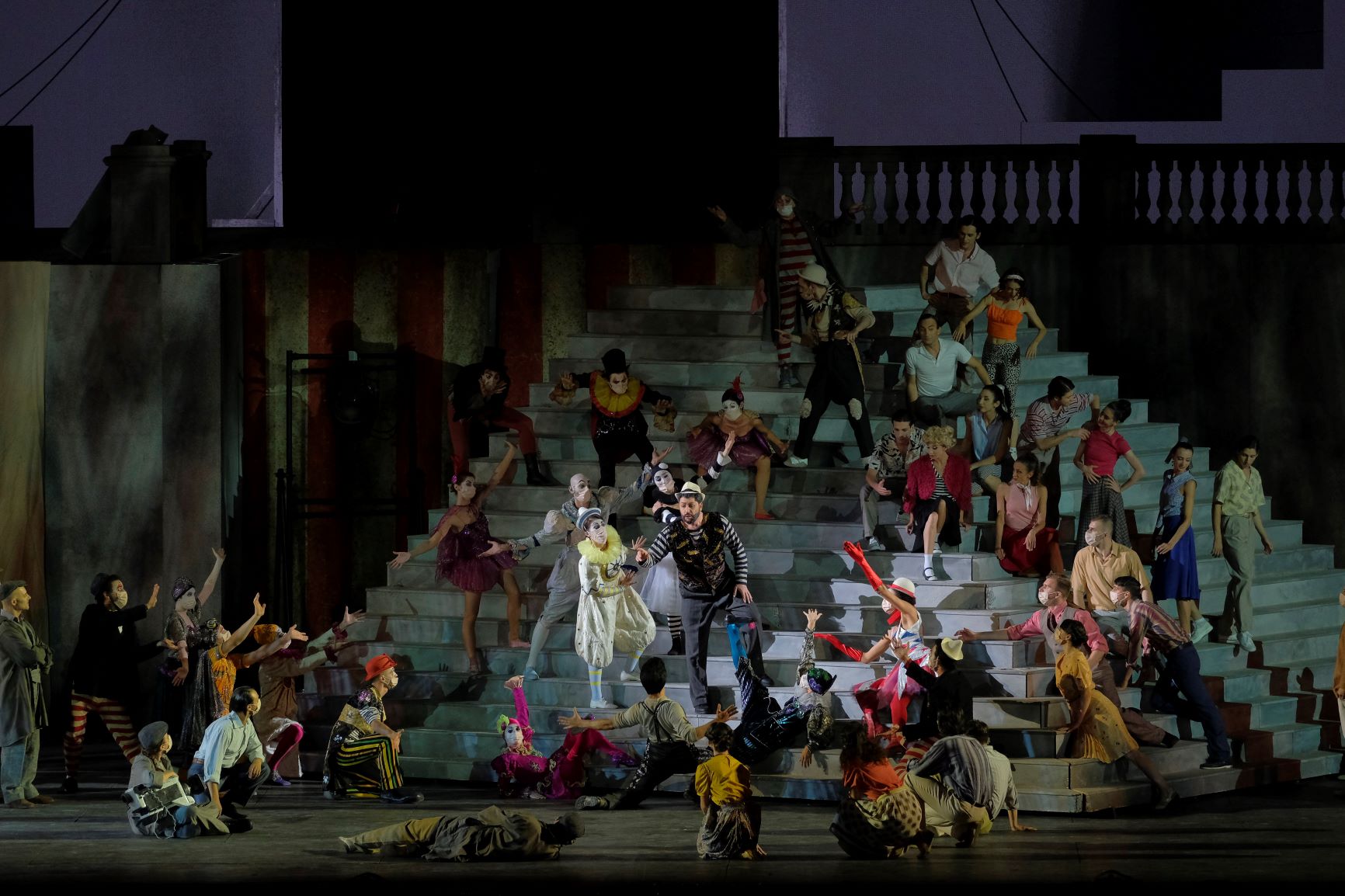
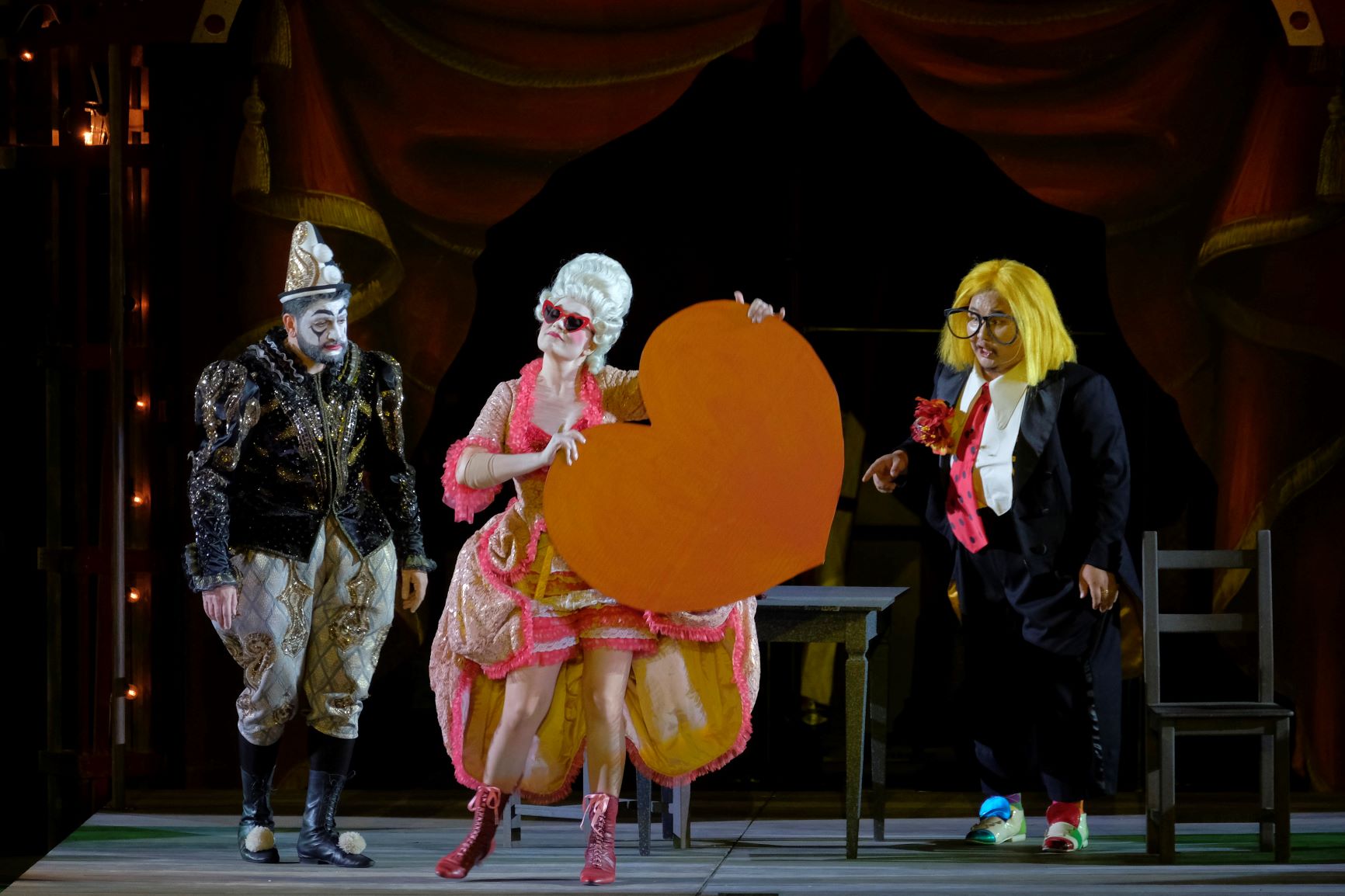
The audience crowds in to watch the show, while Nedda, in her Colombina costume, collects the takings. Silvio is among the spectators and the girl warns him to be careful. The play begins and situations similar to the actors’ personal stories reflected in the play are immediately seen: Colombina (Nedda), the wife of Pagliaccio (Canio) impatiently awaits her lover Harlequin (Peppe), with whom she plans to elope. Taddeo “the half-wit” (Tonio) is in love with Colombina, but the feeling is not mutual.
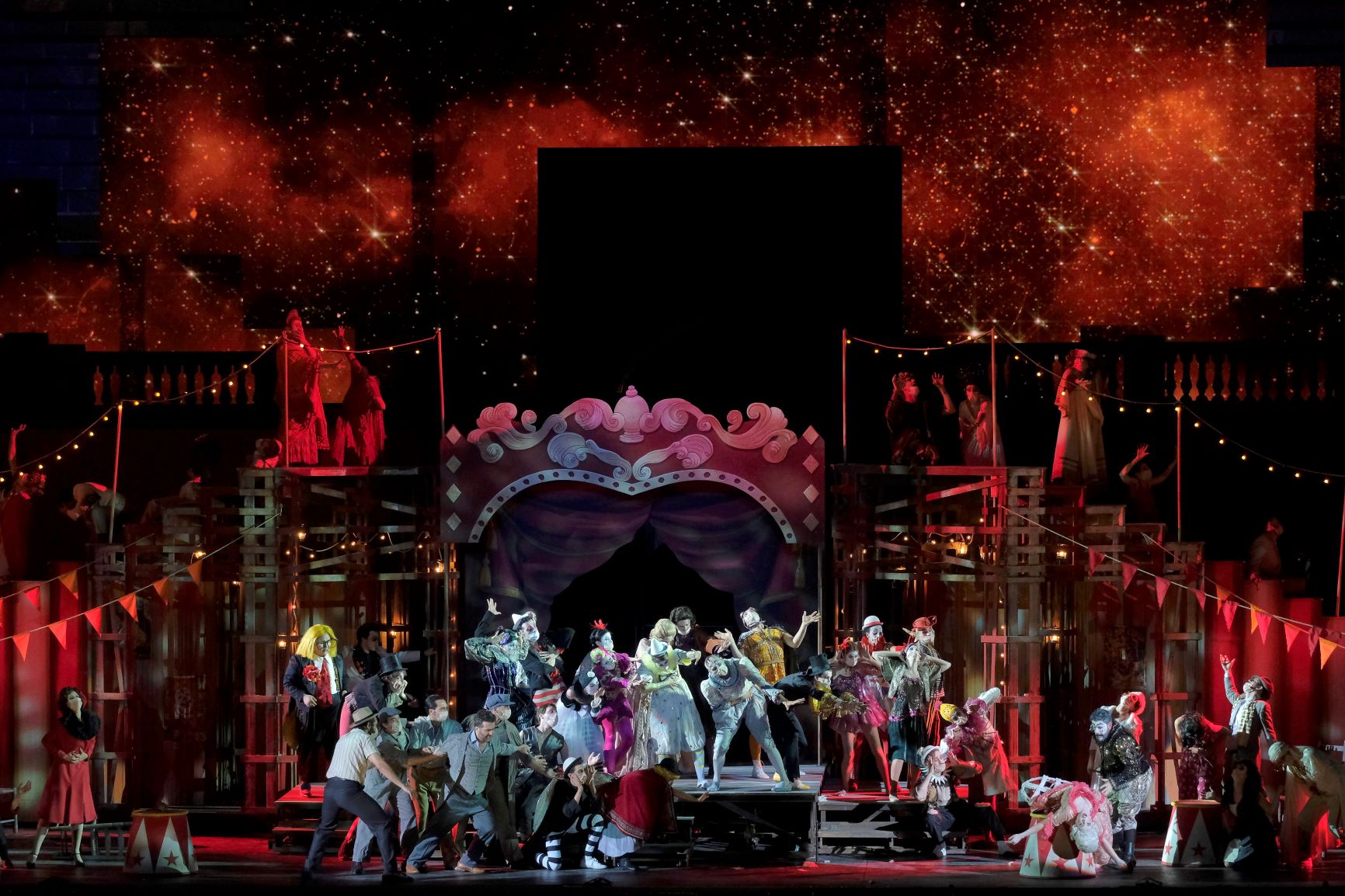
Harlequin sings a serenade to his loved one. In the meantime, Taddeo secretly spies on the beautiful Colombina, to whom he then offers a basket-full of food. Harlequin climbs in through the window and chases Taddeo away. The two lovers eat a hearty dinner, then he gives Colombina a narcotic to anesthetize her husband so that they can elope. Announced by Taddeo, Pagliaccio arrives on the scene and Harlequin is compelled to escape through the window: the theatrical fiction thus seems to repeat the afternoon situation. Faced with the scene portrayed, Canio feels jealousy building up inside him and wants his wife to tell him her lover’s name: it is no longer fiction; the actor and the character are one and the same person. Nedda tries to continue the show, Beppe would like to intervene, but is held back by Tonio. Canio is increasingly furious and the audience realizes that what is happening on stage is no longer fiction, but reality.
Once again, Nedda refuses to reveal the name and Canio, it a fit of jealousy, stabs her. Mortally wounded, the woman begs for Silvio, who runs to help her, but is in turn stabbed. Canio, as if in a daze, announces the end of the play.
Media gallery
Other shows
Opera
Don Giovanni
Wolfgang Amadeus Mozart
Upcoming dates
- From to
Arena Young
Mozart e Salieri GOT TALENT
Evento per famiglie
Next show
- The
Chamber Music
Schumann, Mozart, Reger | Brani per clarinetto e quartetto d’archi
Robert Schumann, Wolfgang Amadeus Mozart, Max Reger
Next show
- The
Arena Young
DiVERDIamoci
Evento per famiglie
Next show
- The
Opera
L'Olimpiade
Antonio Vivaldi
Upcoming dates
- From to
Arena Young
Concerto dei giovani Solisti del Conservatorio E. F. Dall’Abaco con l'Orchestra di Fondazione Arena di Verona
Evento per famiglie
Next show
- The
Chamber Music
Brahms | Liebeslieder Walzer completi
Johannes Brahms
Next show
- The
Arena Young
Mignolina
Evento per famiglie
Next show
- The
Opera
Falstaff
Giuseppe Verdi
Upcoming dates
- From to
Concert
Rossini Petite Messe Solennelle
Gioachino Rossini
Upcoming dates
- From to
Concert
Berlioz Fantastique
Felix Mendelssohn-Bartholdy, Hector Louis Berlioz
Upcoming dates
- From to
Concert
Musorgskij Quadri
Antonín Dvořák, Carlo Galante, Modest Petrovič Musorgskij
Upcoming dates
- From to
Arena Young
Opera in giallo | Pagliacci
Ruggero Leoncavallo
Next show
- The
Chamber Music
Rossini | Trascrizioni per quartetto di fiati
Gioachino Rossini, Vincenzo Gambaro
Next show
- The
Concert
Mahler 9
Gustav Mahler
Upcoming dates
- From to
Chamber Music
Bach, Couperin, Carter | Sonate e concerti
Johann Sebastian Bach, François Couperin, Elliott Carter
Next show
- The
Chamber Music
Brahms | Sestetti
Johannes Brahms
Next show
- The
Concert
Beethoven Missa Solemnis
Ludwig van Beethoven
Upcoming dates
- From to
Chamber Music
Haydn, Schubert, Beethoven | Trii per archi
Franz Joseph Haydn, Franz Schubert, Ludwig van Beethoven
Next show
- The
Concert
Dvořák Nuovo Mondo
Dmitrij Dmitrievič Šostakovič, Antonín Dvořák
Upcoming dates
- From to
Chamber Music
Mozart, Beethoven | Brani per ottetto di fiati
Wolfgang Amadeus Mozart, Ludwig van Beethoven
Next show
- The
Concert
Grieg Concerto
Edvard Grieg, Béla Bartók
Upcoming dates
- From to
Opera
2026
La Traviata
Giuseppe Verdi
Upcoming dates
- From to
Opera
2026
Aida Ed. Stefano Poda
Giuseppe Verdi
Upcoming dates
- From to
Opera
2026
Nabucco
Giuseppe Verdi
Upcoming dates
- From to
Opera
2026
La Bohème
Giacomo Puccini
Upcoming dates
- From to
Balletto
2026
Roberto Bolle and Friends
Co-production con ArteDanza SRL
Next show
- The
Opera
2026
Aida Ed. Franco Zeffirelli
Giuseppe Verdi
Upcoming dates
- From to
Opera
2026
Turandot
Giacomo Puccini
Upcoming dates
- From to
Concerto
2026
Carmina Burana
Carl Orff
Next show
- The
Concert
2026
Paganini Paradise. Superlive Immersive Concert
Next show
- The
Concert
2026
Viva Vivaldi. The Four Seasons Immersive Concert
Next show
- The
Ballet
2026
Zorba il greco
Mikis Theodorakis
Upcoming dates
- From to
Chamber Music
Gounod, Nielsen, Dvořák | Serenate e sinfonie per fiati
Charles Gounod, Carl Nielsen, Antonin Dvořák
Next show
- The
Opera
Ballet
Jeu de Cartes | Amelia al ballo
Gian Carlo Menotti, Igor Stravinsky
Upcoming dates
- From to
Concert
Brahms Serenata
Johannes Brahms, Johann Nepomuk Hummel

Upcoming dates
- From to
Chamber Music
Beethoven, Schubert | Quartetti per archi
Ludwig van Beethoven, Franz Schubert
Next show
- The
Opera
La Bohème
Giacomo Puccini
Upcoming dates
- From to
Chamber Music
Mozart, Kreutzer | Duo e Settimino
Wolfgang Amadeus Mozart, Conradin Kreutzer

Next show
- The
Ballet
Il Lago dei Cigni
Pëtr Il’ič Čajkovskij

Upcoming dates
- From to