Opera
2026
La Traviata
Giuseppe Verdi
Il titolo d’opera più amato e rappresentato al mondo inaugura il 103° Festival areniano con un nuovo allestimento
Prossime date
- Dal al
Giuseppe Verdi
Il titolo d’opera più amato e rappresentato al mondo inaugura il 103° Festival areniano con un nuovo allestimento
Giuseppe Verdi
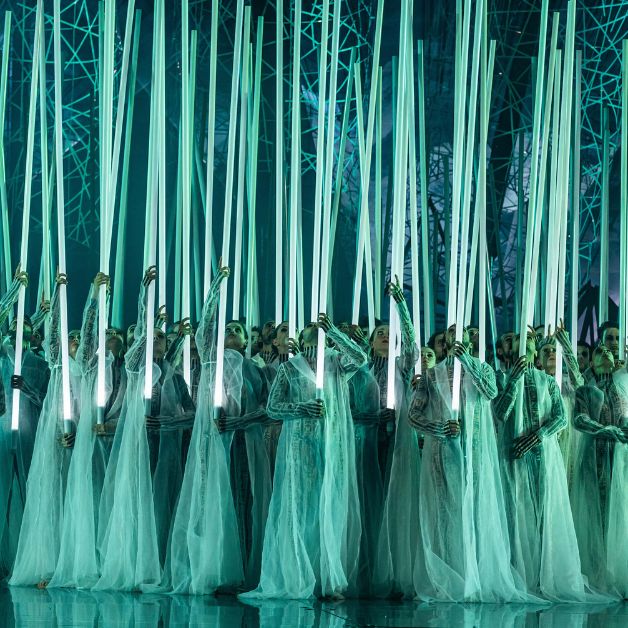
Audace e rivoluzionaria: è l’Aida “di cristallo” firmata da Stefano Poda, fra trasparenze e giochi di luce
Giuseppe Verdi
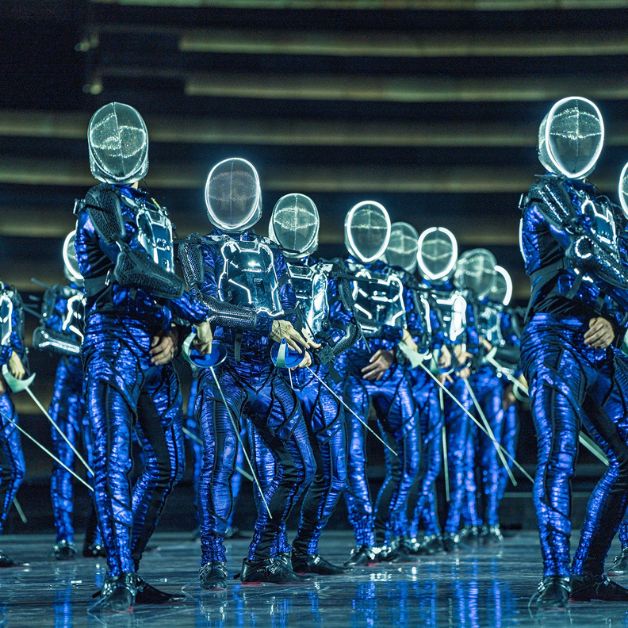
Un “Nabucco” poetico e visionario con l’inconfondibile firma di Stefano Poda
Giacomo Puccini
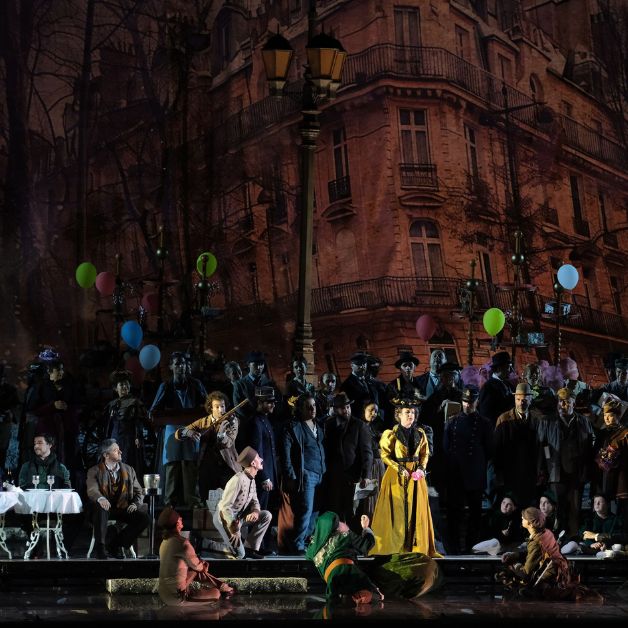
Amore e gioventù nella Parigi dell’Ottocento: in Arena torna la “Bohème” con regia di Alfonso Signorini.
Co-production con ArteDanza SRL
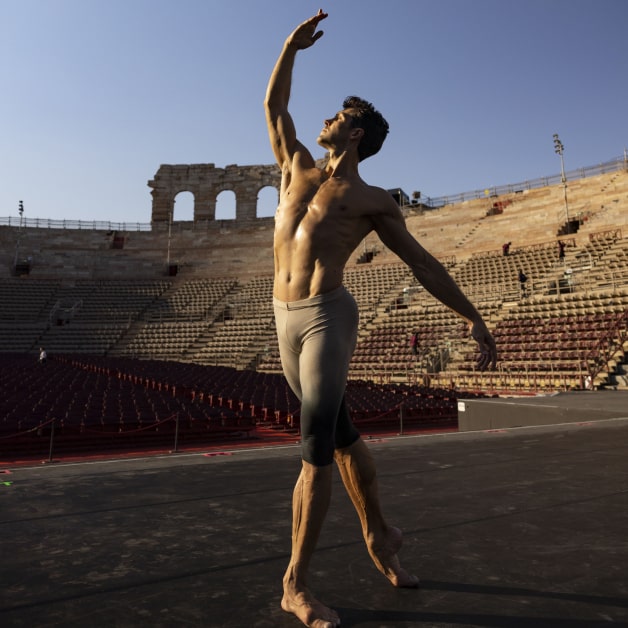
L’atteso appuntamento con Roberto Bolle e le star internazionali del balletto
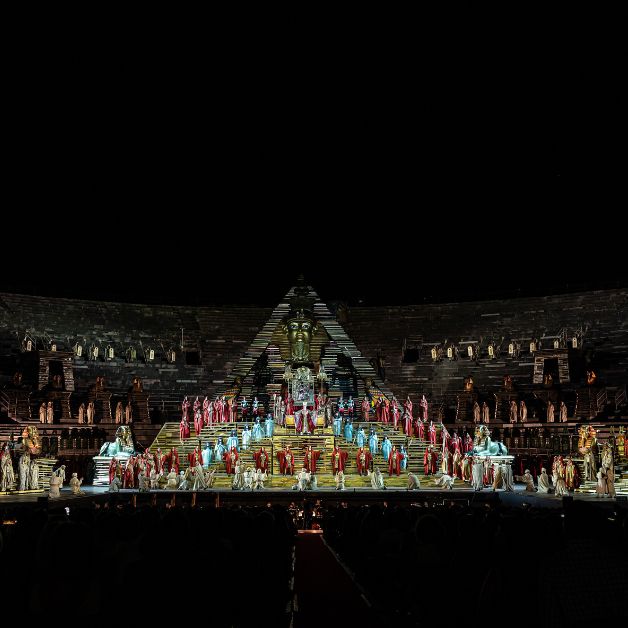
Giuseppe Verdi
Una leggenda torna in Arena: la maestosa “Aida” immaginata da Zeffirelli è in scena per sette date al Festival 2026.
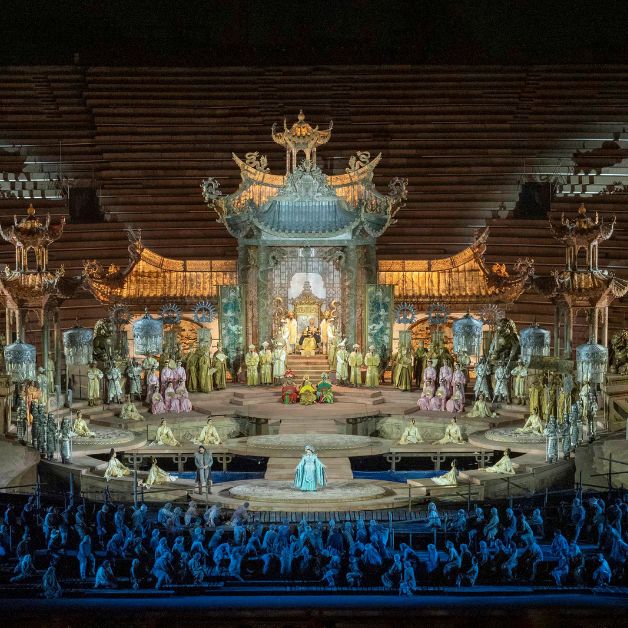
Giacomo Puccini
Celebriamo i 100 anni di “Turandot” con il fiabesco allestimento di Zeffirelli!
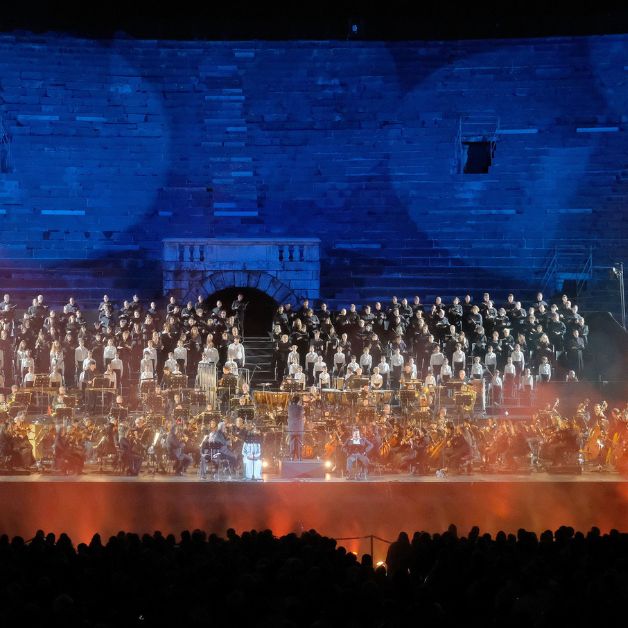
Carl Orff
Le note travolgenti dei “Carmina Burana” tornano a infuocare l’Arena di Verona

Un'anteprima mondiale e la celebrazione di virtuosismo, emozione e tecnologia
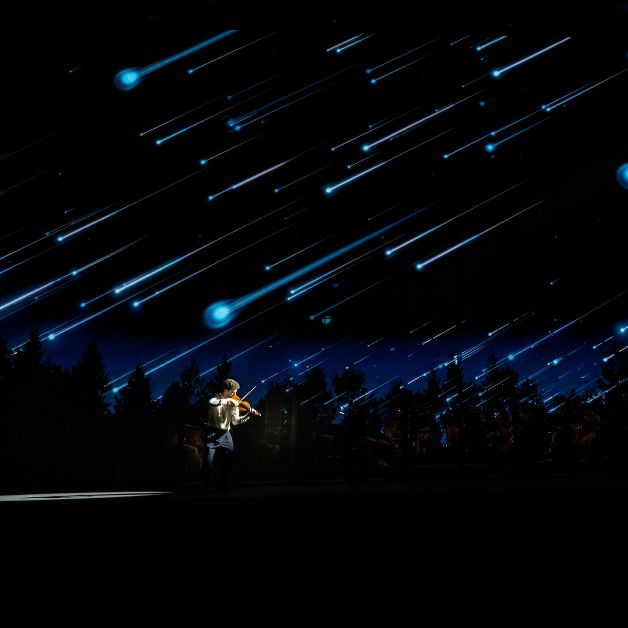
Lo spettacolo immersivo con proiezioni 3D che ha rivoluzionato l’idea di concerto sinfonico

Mikis Theodorakis
Zorba il greco ritorna al Teatro Romano di Verona per una serata unica a ritmo di sirtaki!

Charles Gounod, Carl Nielsen, Antonin Dvořák
L'ottavo concerto di Musei in Musica 2026
Visite guidate al Teatro Filarmonico
Baz Luhrmann
Il quarto appuntamento della rassegna "Musica e cinema"
Gian Carlo Menotti, Igor Stravinsky
Balletto in tre mani di Igor Stravinsky | Opera buffa in un atto di Gian Carlo Menotti
Ludwig van Beethoven
Il terzo concerto di "Aspettando Beethoven"
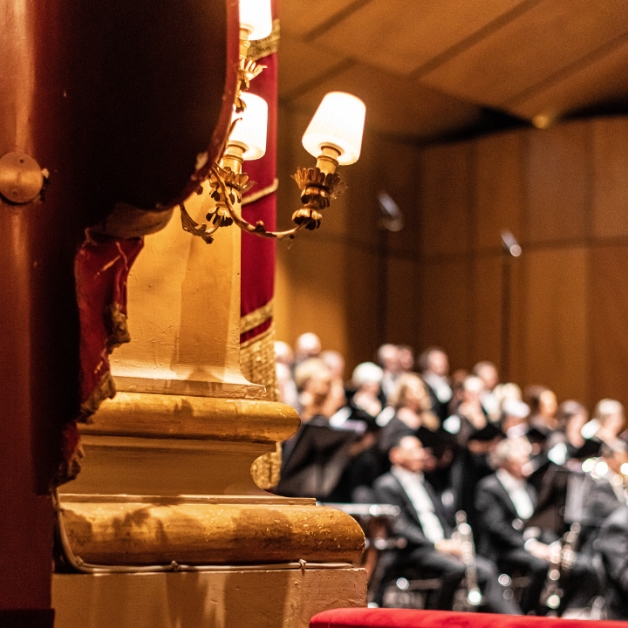
Johannes Brahms, Johann Nepomuk Hummel
L'ottavo concerto della stagione sinfonica 2026 al Teatro Filarmonico
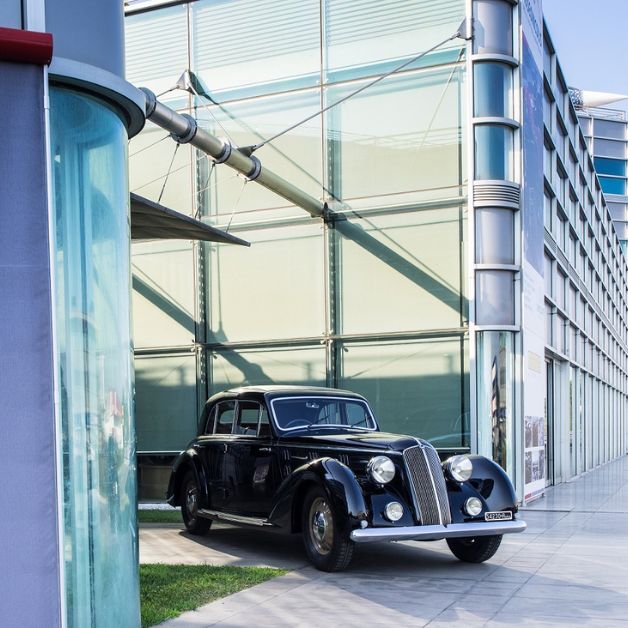
Ludwig van Beethoven, Franz Schubert
Il nono concerto di Musei in Musica 2026
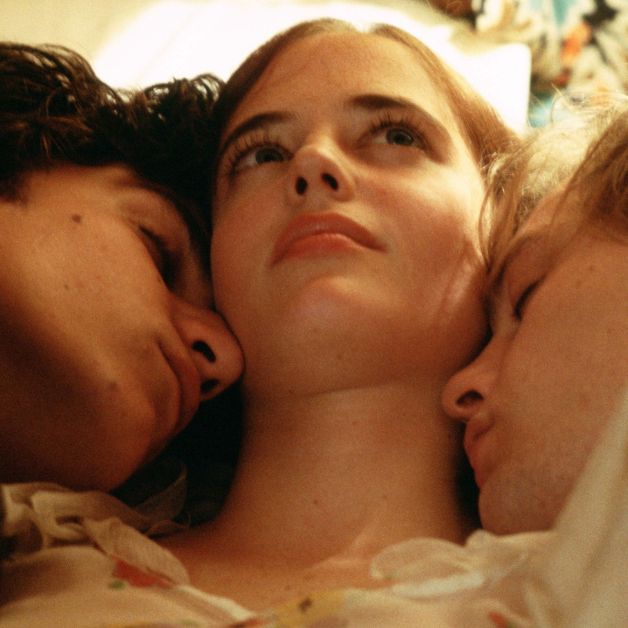
Bernardo Bertolucci
Il quinto appuntamento della rassegna "Musica e cinema"
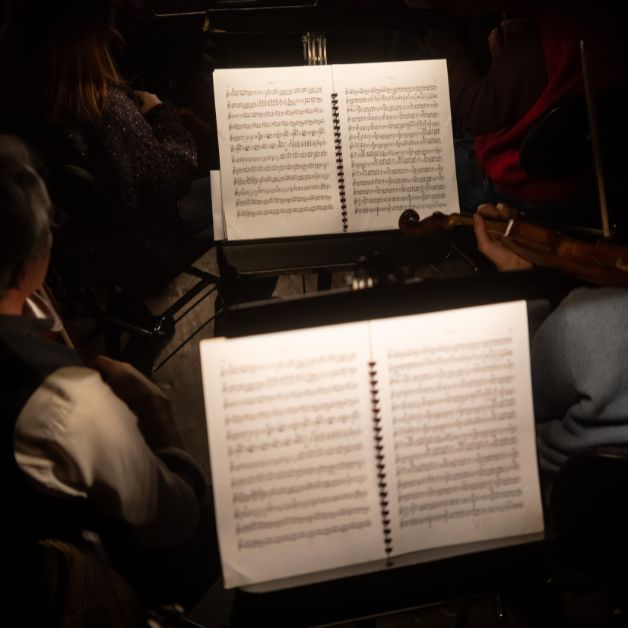
Ludwig van Beethoven
Il quarto concerto di "Aspettando Beethoven"
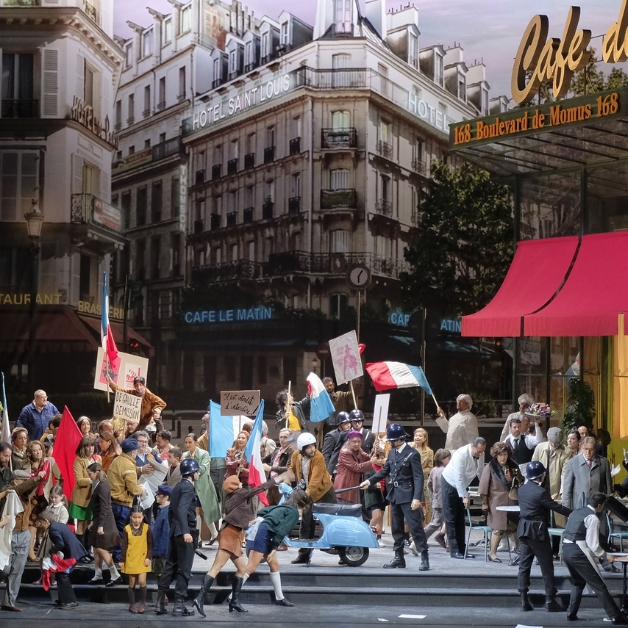
Giacomo Puccini
Opera in quattro quadri di Giacomo Puccini su libretto di Giuseppe Giacosa e Luigi Illica nel 130° anniversario della prima assoluta
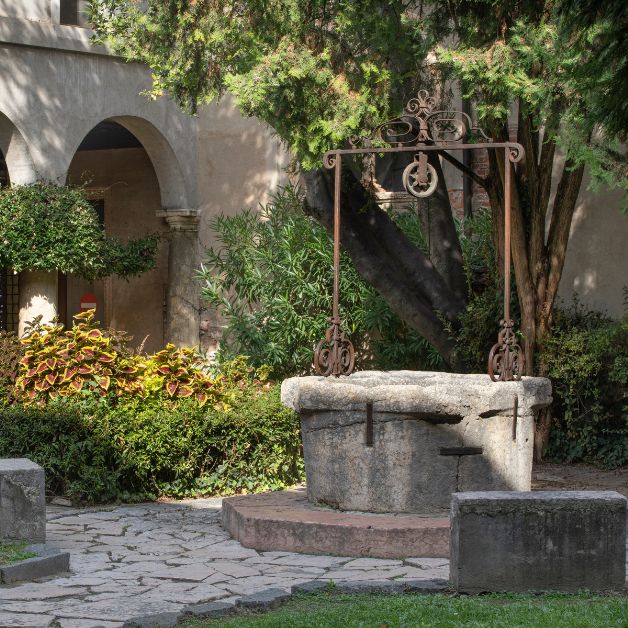
Wolfgang Amadeus Mozart, Conradin Kreutzer
Il decimo concerto di Musei in Musica 2026

Darren Aronofsky
Il sesto e ultimo appuntamento della rassegna "Musica e cinema"
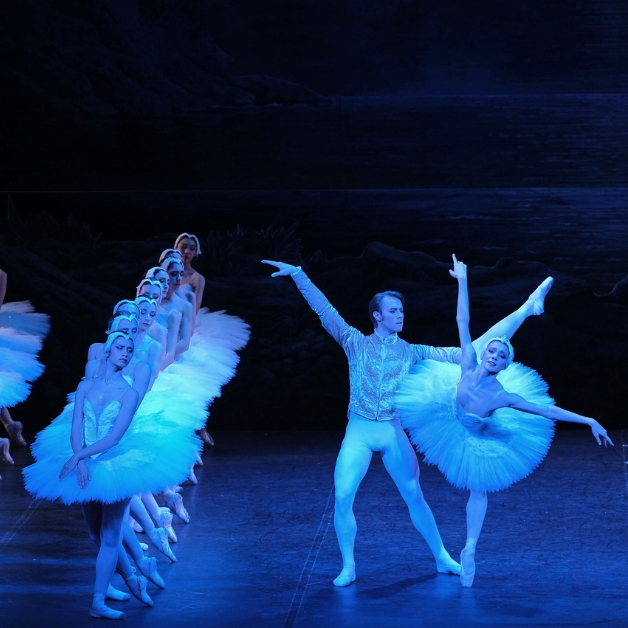
Pëtr Il’ič Čajkovskij
Balletto in un quattro atti di Pëtr Il’ič Čajkovskij nel 150° anniversario della composizione

Ludwig Van Beethoven
Un grande omaggio a Ludwig van Beethoven nel suo bicentenario.
Giuseppe Verdi
L’opera regina dell’Arena torna in Anfiteatro nella visione di Gianfranco de Bosio.
Sergej Prokof’ev
Il balletto fa il suo grande ritorno all’Arena di Verona. Una nuova produzione della storia d’amore più celebre di tutti i tempi
Giuseppe Verdi
L’indimenticabile storia di amore e sacrificio di Violetta rivive tra le luci, i fermenti e le danze del Moulin Rouge
Georges Bizet
Carmen torna in Arena nella messinscena ‘colossal’ di Franco Zeffirelli.
Co-production with ArteDanza SRL
L’étoile Roberto Bolle e le star mondiali del balletto ti aspettano per due eccezionali serate dedicate alla grande danza.
Giuseppe Verdi
Fra inediti effetti speciali, labirinti di luce, tessuti innovativi e grandi duelli di scherma, il coro Va’ pensiero risuona in Arena più potente che mai.
Il "re dei tenori" rinsalda il suo legame con l'Arena di Verona con un gala completamente rinnovato.
Giuseppe Verdi
Dopo i record degli ultimi Festival, torna in scena Aida nella sua veste “di cristallo”.
Antonio Vivaldi
“Le quattro stagioni” di Antonio Vivaldi diventano uno spettacolo immersivo, che cambia il modo di vivere un concerto sinfonico.
Niccolò Paganini
Dal genio creativo di Balich Wonder Studio, una nuova esperienza immersiva dedicata al più grande virtuoso del violino di tutti i tempi.
Carl Orff
Brani celebri e sonorità indimenticabili per un inno alla vita, all’amore, e alla Fortuna.