a partire da €28,00
Nabucco
Opera
2026
Giuseppe Verdi
Giuseppe Verdi
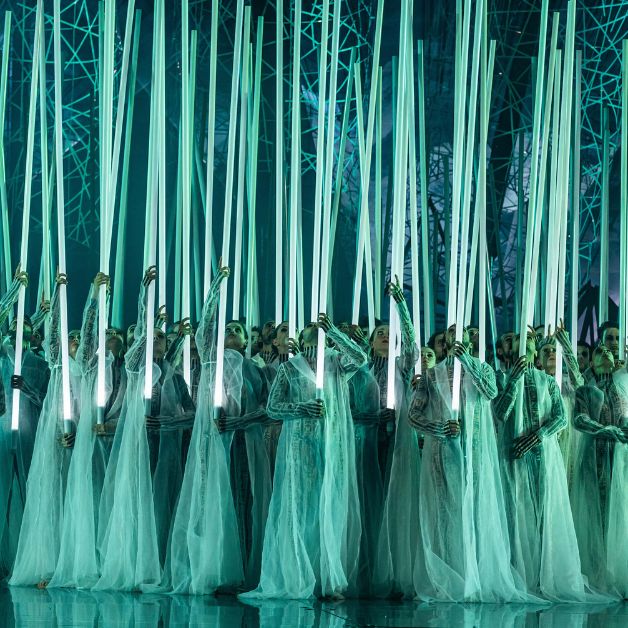
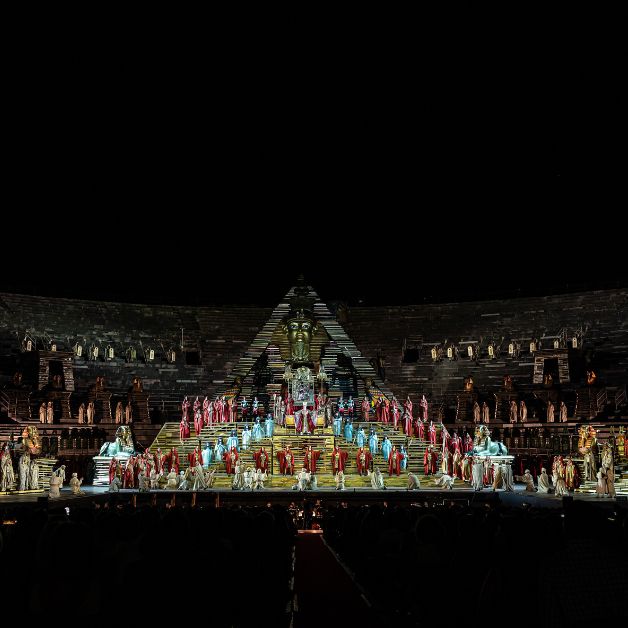
L’emozione del “Va, pensiero” come non l’hai mai provata: vieni a meravigliarti con "Nabucco" di Giuseppe Verdi, il dramma corale per eccellenza, nell’allestimento poetico e visionario firmato da Stefano Poda.
venerdì
ore 21:15
| Direttore | Michele Spotti |
|---|---|
| Nabucco | Amartuvshin Enkhbat |
| Abigaille | Maria José Siri |
| Fenena | Annalisa Stroppa |
| Zaccaria | Roberto Tagliavini |
| Ismaele | Galeano Salas |
| Il Gran Sacerdote di Belo | Nicolò Ceriani |
| Abdallo | Carlo Bosi |
| Anna | Elisabetta Zizzo |
sabato
ore 21:15
| Direttore | Michele Spotti |
|---|---|
| Nabucco | Amartuvshin Enkhbat |
| Abigaille | Maria José Siri |
| Fenena | Annalisa Stroppa |
| Zaccaria | Simon Lim |
| Ismaele | Galeano Salas |
| Il Gran Sacerdote di Belo | Nicolò Ceriani |
| Abdallo | Riccardo Rados |
| Anna | Elisabetta Zizzo |
domenica
ore 21:15
| Direttore | Michele Spotti |
|---|---|
| Nabucco | Ludovic Tézier |
| Abigaille | Maria José Siri |
| Fenena | Anna Werle |
| Zaccaria | Simon Lim |
| Ismaele | Galeano Salas |
| Il Gran Sacerdote di Belo | Nicolò Ceriani |
| Abdallo | Riccardo Rados |
| Anna | Elena Borin |
sabato
ore 21:15
| Direttore | Michele Spotti |
|---|---|
| Nabucco | Youngjun Park |
| Abigaille | Maria José Siri |
| Fenena | Annalisa Stroppa |
| Zaccaria | Alexander Vinogradov |
| Ismaele | Francesco Meli |
| Il Gran Sacerdote di Belo | Gabriele Sagona |
| Abdallo | Riccardo Rados |
| Anna | Elisabetta Zizzo |
giovedì
ore 21:15
| Direttore | Michele Spotti |
|---|---|
| Nabucco | Youngjun Park |
| Abigaille | Olga Maslova |
| Fenena | Anna Werle |
| Zaccaria | Simon Lim |
| Ismaele | Francesco Meli |
| Il Gran Sacerdote di Belo | Gabriele Sagona |
| Abdallo | Carlo Bosi |
| Anna | Elena Borin |
sabato
ore 21:00
| Direttore | Michele Spotti |
|---|---|
| Nabucco | Luca Salsi |
| Abigaille | Maria José Siri |
| Fenena | Anna Werle |
| Zaccaria | Roberto Tagliavini |
| Ismaele | Francesco Meli |
| Il Gran Sacerdote di Belo | Gabriele Sagona |
| Abdallo | Matteo Macchioni |
| Anna | Elisabetta Zizzo |
sabato
ore 21:00
| Direttore | Sebastiano Rolli |
|---|---|
| Nabucco | Youngjun Park |
| Abigaille | Marta Torbidoni |
| Fenena | Anna Werle |
| Zaccaria | Alexander Vinogradov |
| Ismaele | Francesco Meli |
| Il Gran Sacerdote di Belo | Gabriele Sagona |
| Abdallo | Matteo Macchioni |
| Anna | Elisabetta Zizzo |
giovedì
ore 21:00
| Direttore | Sebastiano Rolli |
|---|---|
| Nabucco | Luca Salsi |
| Abigaille | Marta Torbidoni |
| Fenena | Anna Werle |
| Zaccaria | Alexander Vinogradov |
| Ismaele | Paolo Lardizzone |
| Il Gran Sacerdote di Belo | Gabriele Sagona |
| Abdallo | Matteo Macchioni |
| Anna | Elena Borin |
venerdì
ore 21:00
| Direttore | Sebastiano Rolli |
|---|---|
| Nabucco | Luca Salsi |
| Abigaille | Olga Maslova |
| Fenena | Anna Werle |
| Zaccaria | Alexander Vinogradov |
| Ismaele | Paolo Lardizzone |
| Il Gran Sacerdote di Belo | Gabriele Sagona |
| Abdallo | Matteo Macchioni |
| Anna | Elisabetta Zizzo |
mercoledì
ore 21:00
| Direttore | Sebastiano Rolli |
|---|---|
| Nabucco | Luca Salsi |
| Abigaille | Maria José Siri |
| Fenena | Annalisa Stroppa |
| Zaccaria | Michele Pertusi |
| Ismaele | Galeano Salas |
| Il Gran Sacerdote di Belo | Gabriele Sagona |
| Abdallo | Carlo Bosi |
| Anna | Elisabetta Zizzo |
Regia, scene, costumi, luci, coreografia
Assistente a regia, scene, costumi, luci, coreografia
Orchestra, Coro, Ballo e Tecnici
Maestro del Coro
Coordinatore del Ballo
Direttore allestimenti scenici
Il Gran Sacerdote di Belo
Abdallo


Giuseppe Verdi
Giuseppe Verdi
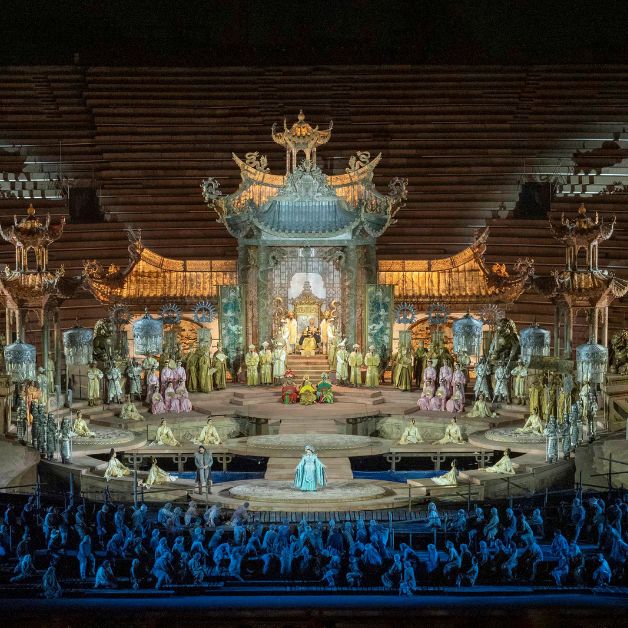
Giacomo Puccini
Co-production con ArteDanza SRL
Giuseppe Verdi
Giacomo Puccini
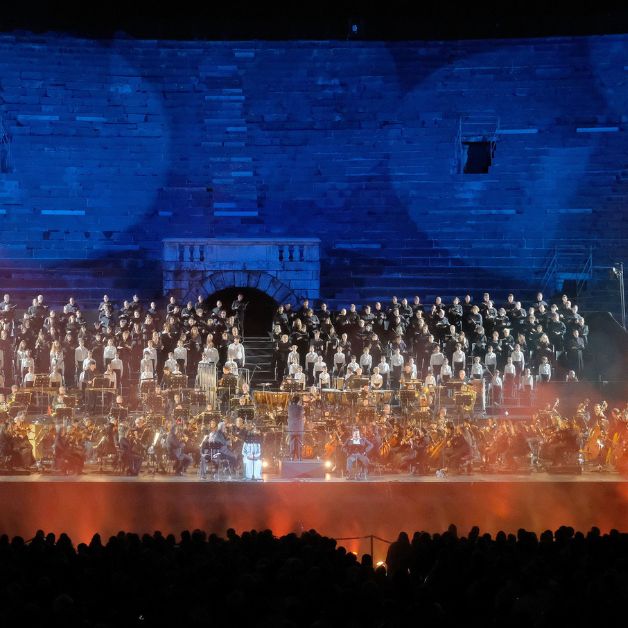
Carl Orff

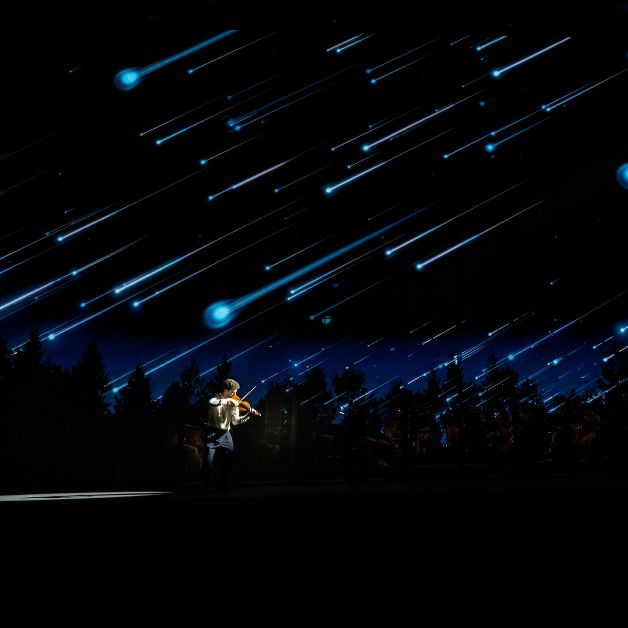

Mikis Theodorakis